Affiliate disclosure: As an Amazon Associate, wellwateractionplan.com earns from qualifying purchases. When you click links on this site and make a purchase, we may earn a commission at no additional cost to you. Read our full affiliate disclosure.
About 15% of U.S. households rely on private wells for drinking water, and unlike public systems, the responsibility for water quality falls entirely on the homeowner. Contaminants can enter groundwater from natural sources, agricultural runoff, industrial activity, or aging well components, often without any change in taste, smell, or appearance.
This guide explains what well water contamination means, which contaminants are most common, how testing works, and what treatment options exist. It also outlines what you can do yourself and when to bring in a licensed well contractor or water treatment professional.
- Private wells are not regulated by the EPA; testing and treatment are the homeowner’s responsibility.
- Test at least annually for bacteria, nitrate, and any contaminants of local concern.
- Match treatment to the specific contaminants found — no single system removes everything.
- Certified labs and NSF/ANSI-certified treatment devices provide reliable performance benchmarks.
- When in doubt, or when results exceed standards, consult a licensed well or water treatment professional.
Understanding Private Well Water Contamination
Private well water contamination occurs when harmful substances — bacteria, viruses, chemicals, heavy metals, or radionuclides — are present in groundwater at levels that may pose health risks. Because wells draw directly from aquifers, they are vulnerable to anything that seeps into the ground: septic system leakage, fertilizer and pesticide application, industrial spills, and naturally occurring minerals like arsenic or radon.
A qualitative study of private well stewardship in a rural, agricultural Latino community found that many well owners were unaware of testing recommendations and faced barriers such as cost, language, and trust in local agencies [1]. This highlights that contamination risks are not just technical but also tied to access to information and resources.
Common Contaminants and Their Sources
The most frequently tested contaminants fall into three groups: microbial (coliform bacteria, E. coli), chemical (nitrate, arsenic, lead, PFAS, volatile organic compounds), and radiological (radon, uranium). Nitrate from fertilizer or manure is a widespread concern in agricultural areas; a geo-spatial analysis of land-water resource degradation in two contrasting agricultural regions near Delhi showed how intensive farming can degrade groundwater quality over time [2].
Per- and polyfluoroalkyl substances (PFAS), often called ‘forever chemicals,’ have emerged as a significant concern because they persist in the environment and have been linked to health effects in epidemiological studies. A Yale School of Public Health symposium summarized the challenges of detecting and regulating PFAS in drinking water, noting their widespread use in firefighting foam, non-stick coatings, and industrial processes [3].

Why Regular Testing Matters
The EPA recommends testing private wells at least once a year for total coliform bacteria, nitrates, total dissolved solids, and pH, and more often if there are known local issues, a new infant in the home, or after flooding or well repairs. Many contaminants have no taste, odor, or color, so testing is the only way to know if your water is safe.
The Be Well Home Health Navigator Program was designed to help well owners navigate testing, interpretation, and treatment decisions, recognizing that simply providing test results is not enough to prompt protective action [4]. Their approach underscores that regular testing combined with clear guidance leads to better outcomes.
Overview of Treatment Options
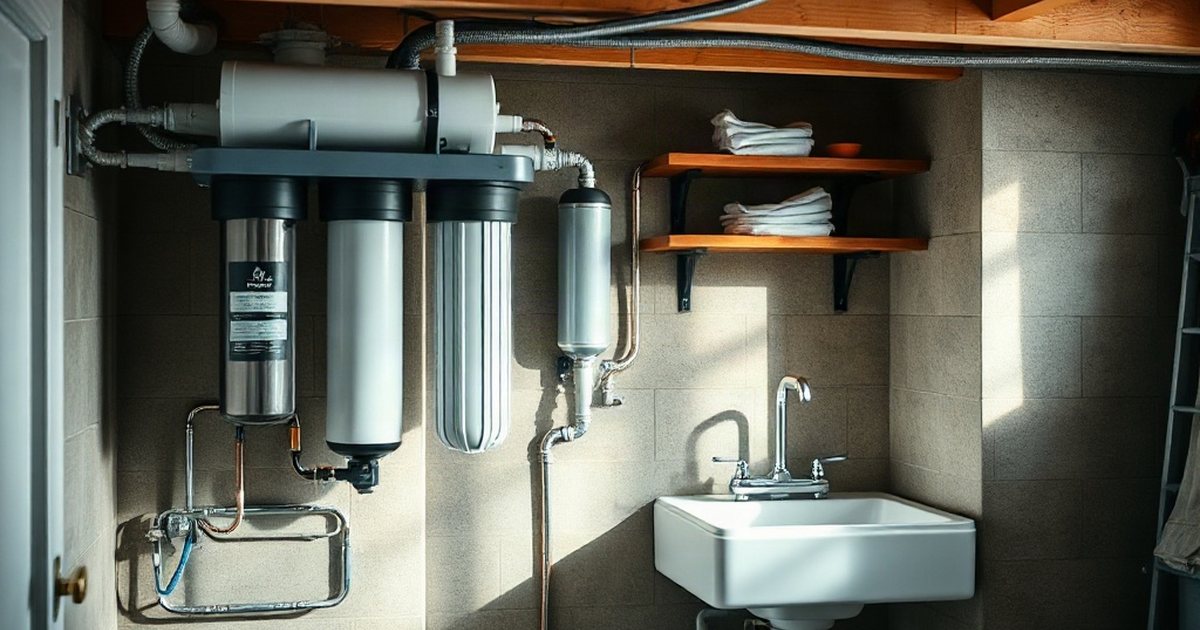
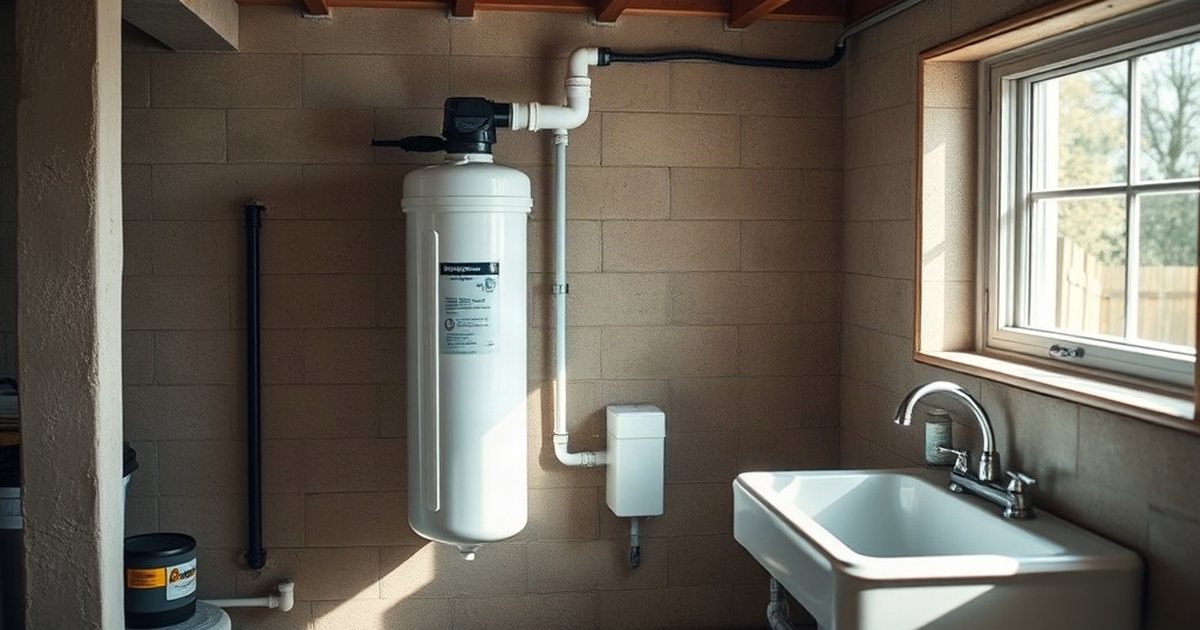
Treatment depends on the contaminant. For bacteria, shock chlorination or continuous disinfection (UV, chlorination) may be used. For chemicals like nitrate, arsenic, or PFAS, point-of-use systems such as reverse osmosis or activated carbon filters are common; whole-house systems are larger investments. No single device removes everything, so treatment should be matched to your specific test results.
Certification matters: look for products certified to NSF/ANSI standards for the contaminant you need to address (e.g., NSF/ANSI 53 for lead, 58 for reverse osmosis, 53 or 58 for PFAS). Installation and maintenance costs vary widely — point-of-use reverse osmosis units typically range from $200–$600 plus filter replacements, while whole-house systems can run $1,500–$5,000 or more.
DIY Steps vs. Professional Help
Homeowners can collect their own water samples using kits from certified labs, inspect the well cap and casing for damage, and maintain basic records of test results and maintenance. Many state health departments offer free or low-cost testing for certain contaminants.
However, interpreting complex results, designing a treatment system, repairing well construction defects, or addressing contamination from nearby hazardous sites usually requires a licensed well driller, pump installer, or water treatment specialist. If test results exceed health-based standards, or if you notice sudden changes in water quality, contact a professional promptly.

FAQ
How often should I test my well water?
At minimum, test once a year for total coliform bacteria, nitrates, total dissolved solids, and pH. Test more frequently after flooding, well repairs, or if there is a new infant or pregnant person in the household.
What are the most common well water contaminants?
Microbial contaminants (coliform, E. coli), nitrate, arsenic, lead, PFAS, and radon are among the most frequently detected. The specific mix depends on local geology, land use, and well construction.
Can I treat well water myself?
You can install point-of-use filters (e.g., reverse osmosis) for drinking water if you have the plumbing skills, but whole-house systems, disinfection equipment, and well repairs should be done by licensed professionals. Always verify the device is certified for the contaminant you need to remove.
What should I do if my test results show contamination?
First, retest to confirm. If results are confirmed above health-based standards, stop using the water for drinking and cooking until a treatment system is installed or an alternative source is secured. Contact a licensed well contractor or water treatment specialist to discuss options.
This article provides general educational information and does not constitute medical, legal, or engineering advice. Water quality risks vary by location and well condition; always rely on testing from a state-certified laboratory and consult a licensed well driller, pump installer, or water treatment professional for system design, installation, and ongoing maintenance.
References
- Private well stewardship within a rural, agricultural Latino community: a qualitative study. BMC public health, 2020
- Geo-spatial analysis of land-water resource degradation in two economically contrasting agricultural regions adjoining national capital territory (Delhi). Environmental monitoring and assessment, 2009
- Yale School of Public Health Symposium: An overview of the challenges and opportunities associated with per- and polyfluoroalkyl substances (PFAS). The Science of the total environment, 2021
- An overview of the Be Well Home Health Navigator Program to reduce contaminants in well water: Design and methods. Contemporary clinical trials, 2024
These statements have not been evaluated by the Food and Drug Administration. This information is not intended to diagnose, treat, cure, or prevent any disease. Content is for informational purposes only and is not medical advice; consult a qualified healthcare provider before starting any supplement. As an Amazon Associate we earn from qualifying purchases.
