Affiliate disclosure: As an Amazon Associate, wellwateractionplan.com earns from qualifying purchases. When you click links on this site and make a purchase, we may earn a commission at no additional cost to you. Read our full affiliate disclosure.
Private wells supply drinking water to millions of homes, yet they lack the continuous monitoring that municipal systems provide [1]. A structured seasonal routine helps you catch changes early, keep treatment equipment running efficiently, and avoid costly emergency repairs.
This guide breaks down the most important tasks for each season, explains why they matter, and points out when a licensed well professional should be called. Follow the checklist consistently and you’ll maintain safer, more reliable water without guesswork.
- Inspect the wellhead and surrounding area each season for physical damage or new contamination pathways.
- Test water at least twice a year — spring and fall — and after any known spill or land‑use change.
- Maintain treatment equipment on a strict schedule; log every filter change, lamp replacement, and pressure reading.
- Winterize above‑ground components to prevent freeze damage and preserve system performance.
- Engage a licensed well professional annually for a full structural and mechanical review.
Spring: Post‑Thaw Inspection and Baseline Testing
As the ground thaws, surface runoff can carry fertilizers, pesticides, and road salts into the aquifer. Begin by visually inspecting the well cap, casing, and surrounding grading for cracks, corrosion, or pooling water. Clear any debris, vegetation, or animal burrows within a 10‑foot radius to reduce contamination pathways.
Collect a fresh water sample for a comprehensive laboratory panel that includes total coliform, E. coli, nitrate, arsenic, lead, and any locally relevant contaminants such as radon or volatile organic compounds [2]. Record the results alongside the date, weather conditions, and any recent land‑use changes. If any parameter exceeds the EPA’s maximum contaminant level or your state’s advisory level, schedule a follow‑up test and consult a certified water‑treatment specialist before the summer demand spikes [3].
Summer: High‑Use Monitoring and Treatment Performance
Summer typically brings the highest household water demand from irrigation, pools, and increased indoor use. Verify that any installed treatment units — such as sediment filters, carbon blocks, reverse‑osmosis membranes, or UV disinfection reactors — are operating within their rated flow‑rate and pressure specifications. Check pressure gauges, flow meters, and alarm indicators weekly.
Run a quick on‑site test for chlorine residual (if you chlorinate), turbidity, and odor at the point of use. Replace pre‑filters according to the manufacturer’s schedule or sooner if pressure drop exceeds 15 psi. Keep a log of filter changes, UV lamp hours, and any unusual taste or color events; this data is invaluable for troubleshooting and for the annual professional service visit.
Fall: Pre‑Winter Preparation and System Winterization
Before the first hard freeze, inspect all above‑ground piping, pressure tanks, and treatment housings for insulation integrity. Wrap exposed lines with foam pipe insulation rated for at least R‑4, and seal any gaps where cold air could infiltrate. Drain and blow out irrigation lines that share the well supply to prevent back‑siphonage of stagnant water.

If you use a seasonal UV system, confirm the lamp’s remaining life and replace it if it has exceeded 9,000 hours of operation. For reverse‑osmosis units, flush the membrane with a preservative solution recommended by the manufacturer to inhibit bio‑fouling during low‑use months. Document all winterization steps so they can be reversed quickly in spring.
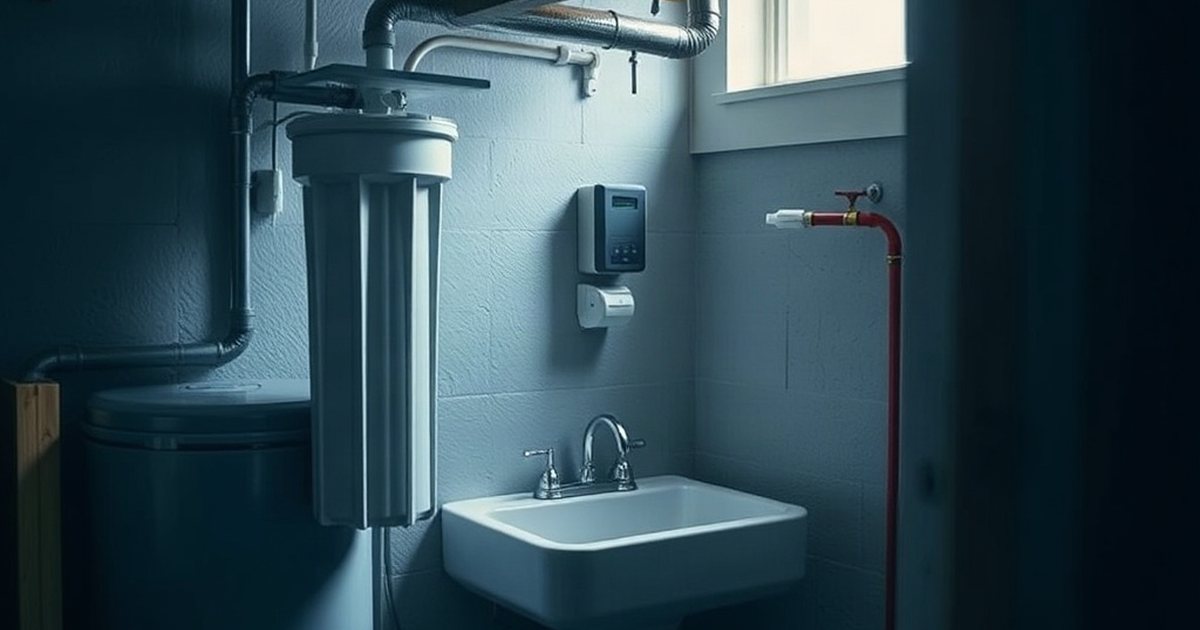
Winter: Low‑Flow Checks and Emergency Readiness
Cold weather reduces groundwater recharge and can concentrate contaminants such as nitrate or arsenic. Even though household demand drops, run a brief flow test at the well head monthly to confirm the pump still delivers its rated gallons per minute. Listen for unusual noises that could indicate a failing motor or a developing screen blockage.
Maintain an emergency kit that includes a portable, battery‑operated water‑quality test strip set (for coliform and nitrate), a spare UV lamp, and a few replacement cartridge filters [4]. Know the contact information for your licensed well driller and a certified water‑treatment contractor in case a sudden contamination event — such as a nearby fuel spill or septic failure — requires rapid response.
Year‑Round Practices: Record‑Keeping, Professional Service, and Community Awareness
Keep a single, dated logbook — digital or paper — that records every test result, filter change, equipment service, and any land‑use activity within a half‑mile radius (new construction, agricultural expansion, road salting). This historical record helps you spot trends, supports insurance claims, and provides essential data for any future well‑rehabilitation design.
Schedule a comprehensive professional inspection at least once every 12 months. A licensed well contractor will evaluate the structural integrity of the casing, screen, and grout; test the pump’s electrical and mechanical performance; and verify that treatment equipment is correctly sized for current water chemistry. Additionally, stay informed about local groundwater protection programs, wellhead protection ordinances, and any community‑wide testing initiatives that could affect your well.

FAQ
How often should I test my private well for bacteria?
At minimum, test for total coliform and E. coli twice a year — once in spring after thaw and once in fall before winter. Additional testing is warranted after any flooding, nearby construction, or if you notice a sudden change in taste, odor, or color.
Can I rely on home test strips instead of a certified lab?
Home strips are useful for quick screening of parameters like nitrate, chlorine residual, or pH, but they lack the sensitivity and regulatory acceptance of a certified laboratory analysis. Use strips for routine checks and confirm any positive or borderline results with a lab.
What size sediment filter do I need for my well?
Filter sizing depends on your peak flow rate (gallons per minute) and the typical sediment load. A common rule is to select a cartridge rated for at least 1.5 × your maximum flow and a micron rating of 5–20 µm for general sediment; finer ratings (1 µm) are used upstream of carbon or RO units.
When should I replace a UV lamp even if it still lights?
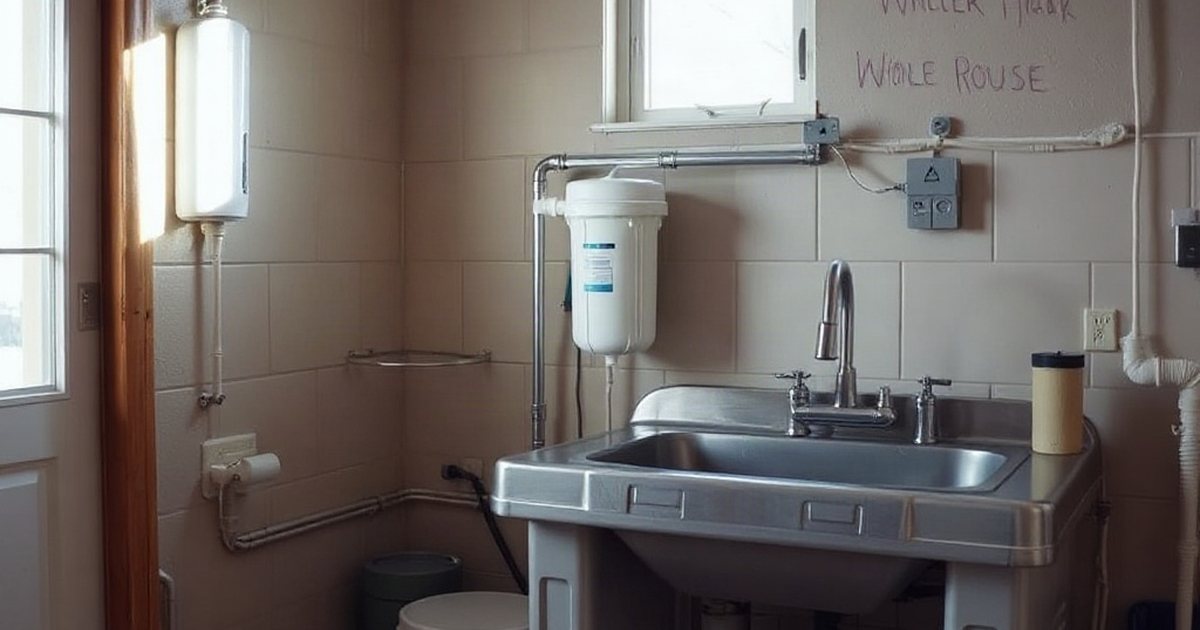
UV output declines over time; most manufacturers recommend replacement after 9,000 hours of continuous operation (about one year of 24/7 use). A lamp that still glows may no longer deliver the germicidal dose needed for safe disinfection.
What should I do if my nitrate level spikes above 10 mg/L?
Stop using the water for drinking and cooking until a treatment solution is in place. Options include anion exchange, reverse osmosis, or a dedicated nitrate‑selective resin system. Contact a certified water‑treatment professional to evaluate the best approach for your chemistry and flow requirements.
This checklist provides general guidance; it does not replace a site‑specific assessment by a licensed well driller or certified water‑treatment professional. If test results exceed health‑based standards, if you suspect structural damage, or if treatment equipment fails to meet performance specs, contact a qualified professional immediately.
References
- Domestic (Private) Supply Wells. U.S. Geological Survey
- Basic Information about Lead in Drinking Water. U.S. Environmental Protection Agency
- National Primary Drinking Water Regulations. U.S. Environmental Protection Agency
- Protect Your Home's Water. U.S. Environmental Protection Agency
These statements have not been evaluated by the Food and Drug Administration. This information is not intended to diagnose, treat, cure, or prevent any disease. Content is for informational purposes only and is not medical advice; consult a qualified healthcare provider before starting any supplement. As an Amazon Associate we earn from qualifying purchases.
