Affiliate disclosure: As an Amazon Associate, wellwateractionplan.com earns from qualifying purchases. When you click links on this site and make a purchase, we may earn a commission at no additional cost to you. Read our full affiliate disclosure.
Millions of U.S. households rely on private wells for drinking water, yet these sources are not regulated by the Safe Drinking Water Act. Contaminants that occur naturally or enter from agricultural and industrial activity can reach the tap without any warning.
This article summarizes peer‑reviewed research on the most common well‑water contaminants, the health outcomes they have been linked to, and practical steps homeowners can take to test, treat, and seek professional help when needed.
- Arsenic, heavy metals, and agricultural pesticides are the most frequently documented contaminants in private wells and have peer‑reviewed links to adverse health outcomes.
- Pregnant women, infants, and socioeconomically disadvantaged households face the greatest risk from contaminated well water.
- Annual testing by a certified lab — covering bacteria, nitrate, arsenic, and region‑specific pollutants — is the cornerstone of protection.
- Treatment must be matched to the specific contaminants found; point‑of‑use reverse osmosis, activated carbon, and ion‑exchange are common technology categories.
- When results exceed health‑based standards or when multiple contaminants coexist, engage a licensed water‑treatment professional for design, installation, and ongoing verification.
Common Contaminants Found in Private Wells
Arsenic, lead, manganese, and uranium are among the toxic metals that frequently co‑occur in private wells, especially in regions with certain geologic formations. A two‑decade analysis of North Carolina wells documented widespread co‑occurrence of these metals and highlighted environmental‑justice concerns [1].
Arsenic is a particular focus because it occurs naturally in many aquifers and has been associated with adverse birth outcomes in U.S. populations served by private wells [2]. Socioeconomic factors also influence exposure risk, with lower‑income communities showing higher arsenic levels in Maine and New Jersey [3].
Pesticides used in intensive agriculture can leach into vulnerable aquifers. A study in eastern Iowa detected neonicotinoid insecticides in both private‑well tap water and the urine of residents, confirming a direct exposure pathway [4].
Documented Health Effects Linked to Well Water Contaminants
Epidemiologic evidence ties chronic arsenic ingestion from well water to reduced birth weight, preterm birth, and other adverse pregnancy outcomes [2]. These findings underscore the importance of testing during pregnancy or when planning a family.
Neonicotinoid detection in urine demonstrates that contaminants in well water can be absorbed systemically. While long‑term health impacts of low‑level neonicotinoid exposure are still under study, the presence of these insecticides in drinking water raises concerns for neurodevelopment and endocrine function [4].
Broader environmental research has linked proximity to pesticide‑intensive land uses, such as golf courses, with an increased risk of Parkinson disease, suggesting that chronic low‑dose pesticide exposure may contribute to neurodegenerative disease [5]. Although this study did not test well water directly, it illustrates how agricultural chemicals can affect human health through multiple exposure routes.

Populations Most Vulnerable to Exposure
Socioeconomic vulnerability amplifies the health burden of well‑water contaminants. Communities with limited financial resources often lack access to regular testing and effective treatment, leading to disproportionate arsenic exposure [3].
Primary‑care clinicians are encouraged to counsel patients on private‑well safety, especially those in high‑risk groups such as pregnant women, infants, and immunocompromised individuals. Practical counseling strategies include risk assessment, testing recommendations, and referral to certified laboratories [6].
Public‑health outreach programs that combine data sharing with community engagement have improved testing rates in Colorado, demonstrating that targeted education can reduce disparities in well‑water safety [7].
Testing Your Well Water: What to Do and How Often
The first line of defense is a comprehensive water test performed by a state‑certified laboratory. At minimum, test annually for total coliform bacteria, nitrate, arsenic, and any contaminants known to be prevalent in your region [6].
If your well is near agricultural fields, industrial sites, or known geologic hazard zones, consider additional panels for pesticides (including neonicotinoids), heavy metals, and volatile organic compounds. The Colorado collaboration model shows that integrating local geologic data with testing schedules improves detection of emerging contaminants [7].
Keep a record of all test results and compare them to EPA Maximum Contaminant Levels (MCLs) or health‑based guidelines. When results approach or exceed these benchmarks, plan for treatment or an alternative water source promptly.
Treatment Options That Can Reduce Contaminant Levels
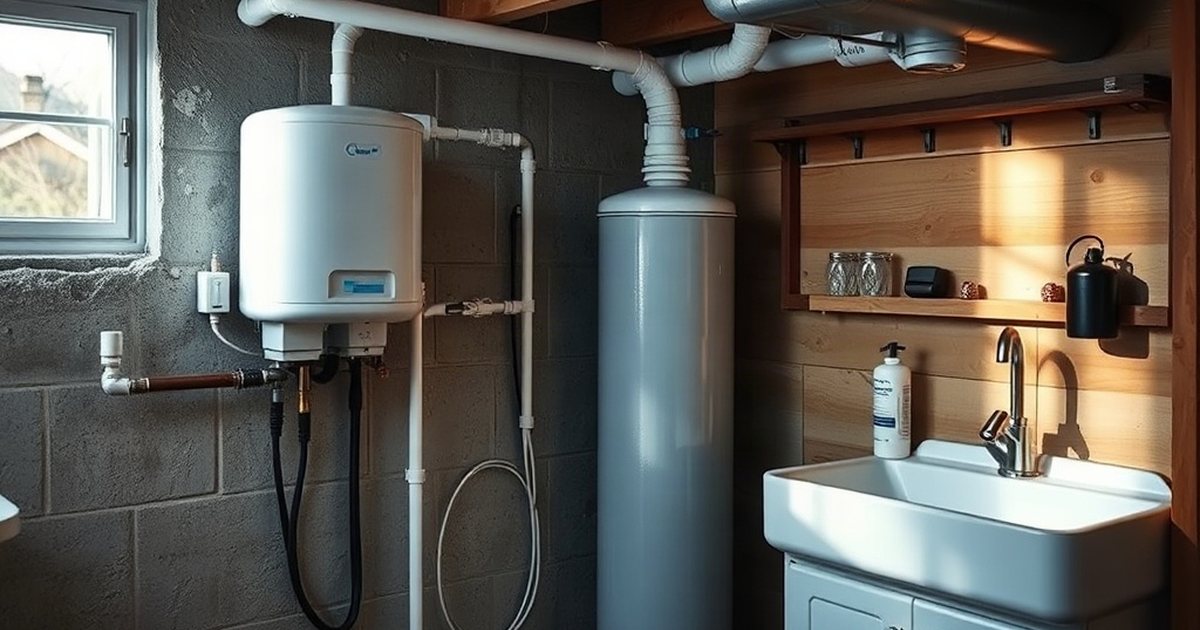
No single treatment technology removes every contaminant, so system selection should match the specific pollutants identified in your test results. Point‑of‑use reverse‑osmosis units are effective for arsenic, uranium, and many dissolved metals, and other ionic species, while activated‑carbon filters can reduce many pesticides and organic chemicals [6].
Ion‑exchange softeners and specialty media (e.g., adsorptive media for arsenic) address specific metal problems but require regular media replacement and monitoring. Whole‑house systems provide convenience but may be over‑engineered for a single contaminant; a point‑of‑use approach often offers a better cost‑benefit ratio.

Professional installation and routine maintenance are critical. Improperly sized or maintained equipment can give a false sense of security and may even concentrate certain contaminants. The counseling guide for primary care emphasizes coordinating with a licensed water‑treatment professional to verify system performance [6].
When to Call a Licensed Professional
Contact a certified water‑treatment specialist or environmental health professional if test results exceed EPA MCLs, if multiple contaminants are present, or if you experience unexplained health symptoms that could be water‑related. Complex chemistries (e.g., co‑occurring arsenic and manganese) often require customized treatment trains that go beyond off‑the‑shelf units [6].
A licensed well contractor should also be consulted for structural issues such as casing deterioration, surface‑water intrusion, or changes in aquifer conditions that could introduce new contaminants. Regular professional inspections complement homeowner testing and help maintain long‑term water safety.
FAQ
How often should I test my private well water?
At minimum, test once per year for total coliform bacteria, nitrate, arsenic, and any contaminants known to be common in your area. More frequent testing is warranted after flooding, nearby construction, or changes in taste, odor, or color [6].
Can a single filter remove all contaminants from my well water?
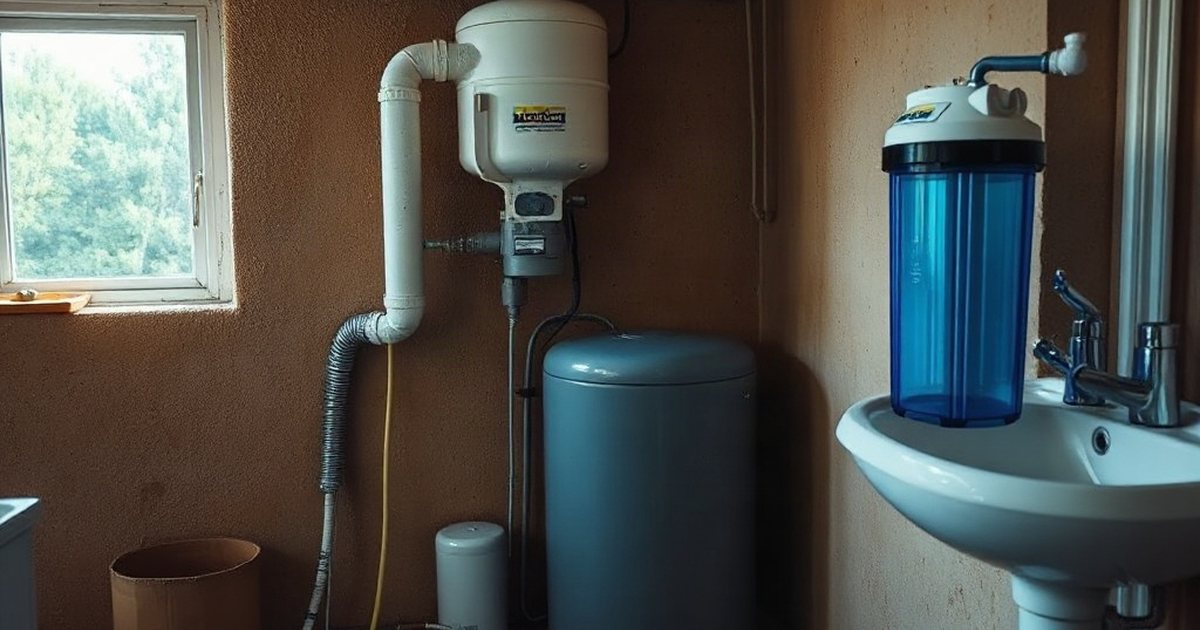
No single filter removes every possible contaminant. Effective treatment requires matching the technology to the specific pollutants identified in your water test — for example, reverse osmosis for arsenic and metals, activated carbon for many pesticides, and ion‑exchange for hardness or certain metals [6].
What should I do if my well water tests above the EPA limit for arsenic?
Stop using the water for drinking and cooking until a proven treatment system is installed and verified. Consult a licensed water‑treatment professional to select and install an appropriate arsenic‑removal system, and retest after installation to confirm effectiveness [6].
This article provides general information based on peer‑reviewed research and does not constitute medical or legal advice. If you suspect your well water is affecting your health, consult a healthcare provider and a licensed water‑treatment professional for personalized assessment and remediation.
References
- Analysis of the novel NCWELL database highlights two decades of co-occurrence of toxic metals in North Carolina private well water: Public health and environmental justice implications. The Science of the total environment, 2022
- Arsenic in private well water and birth outcomes in the United States. Environment international, 2022
- Arsenic in private well water part 3 of 3: Socioeconomic vulnerability to exposure in Maine and New Jersey. The Science of the total environment, 2016
- Prevalence of neonicotinoid insecticides in paired private-well tap water and human urine samples in a region of intense agriculture overlying vulnerable aquifers in eastern Iowa. Chemosphere, 2023
- Proximity to Golf Courses and Risk of Parkinson Disease. JAMA network open, 2025
- Private Well Water Safety: Practical Counseling Strategies for Primary Care. Journal of the American Board of Family Medicine : JABFM, 2025
- Private well water in Colorado: collaboration, data use, and public health outreach. Journal of public health management and practice : JPHMP, 2015
These statements have not been evaluated by the Food and Drug Administration. This information is not intended to diagnose, treat, cure, or prevent any disease. Content is for informational purposes only and is not medical advice; consult a qualified healthcare provider before starting any supplement. As an Amazon Associate we earn from qualifying purchases.
