Affiliate disclosure: As an Amazon Associate, wellwateractionplan.com earns from qualifying purchases. When you click links on this site and make a purchase, we may earn a commission at no additional cost to you. Read our full affiliate disclosure.
Private well owners often face a wide range of potential contaminants, from bacteria and nitrate to naturally occurring arsenic and radon. Understanding what to test for and how much it costs is the first step toward protecting your household water supply.
Costs vary dramatically depending on whether you choose a do‑it‑yourself kit, send samples to a certified lab, or hire a licensed water‑treatment professional [1]. This guide breaks down typical price ranges, what each approach includes, and when it makes sense to call in an expert.
- DIY kits are cheap for quick screens but cannot replace certified lab data.
- Full laboratory panels cost $250‑$500 and provide defensible results.
- Point‑of‑use treatment can be a DIY project; whole‑house systems usually need a pro.
- Annual maintenance and re‑testing add $200‑$600 per year to the budget.
- Match the test scope to local risk factors to avoid unnecessary expense.
Typical Contaminants and Why Testing Matters
The most common health‑related contaminants in private wells include total coliform bacteria, E [2]. coli, nitrate, lead, arsenic, and volatile organic compounds [3]. Each has a different regulatory action level and requires a specific analytical method, so a single test rarely covers everything.
A basic bacterial test can cost as little as $30‑$50 with a DIY kit, while a comprehensive panel that adds metals, radon, and pesticides may run $200‑$400 at a certified laboratory. Knowing which contaminants are likely in your area — based on geology, nearby agriculture, or historic land use — helps you avoid paying for unnecessary analyses.
DIY Testing Kits: Price Ranges and What They Cover
Home test kits are sold online and at hardware stores for $20‑$100. Most kits target a single parameter — such as coliform bacteria, nitrate, or hardness — and provide a color‑change or digital readout within minutes to hours. They are useful for a quick screening but do not meet the quality‑control standards required for regulatory compliance.
Multi‑parameter kits that test 5‑10 analytes typically cost $150‑$300. They include pre‑labeled vials, a portable photometer or test strips, and a mail‑in option for lab confirmation. While convenient, the accuracy of field‑read results can vary, and any positive finding should be verified by an accredited lab before you invest in treatment.

Professional Laboratory Testing: Costs, Turnaround, and Certification
Sending water samples to a state‑certified or NELAP‑accredited laboratory is the gold standard for reliable data. A basic coliform/E. coli test usually costs $40‑$70, a nitrate test $30‑$50, and a full suite of metals, radon, and organic chemicals $250‑$500. Turnaround times range from 2‑5 business days for routine analyses to 10‑14 days for specialty tests.
Many labs offer package pricing for common well‑water panels, which can reduce the per‑analyte cost by 20‑30 %. Ask whether the lab provides a chain‑of‑custody form, sample‑collection instructions, and a report that references EPA or state maximum contaminant levels. Those details are essential if you later need to demonstrate compliance or negotiate treatment with a contractor.
Treatment Options: DIY Installation vs. Professional Service
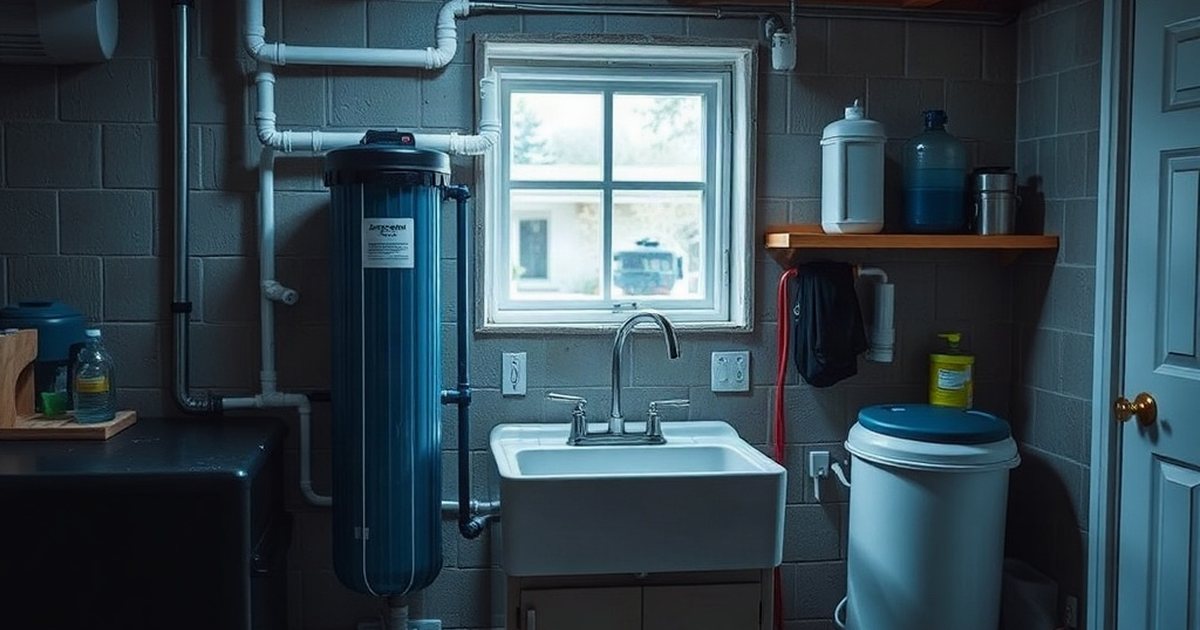
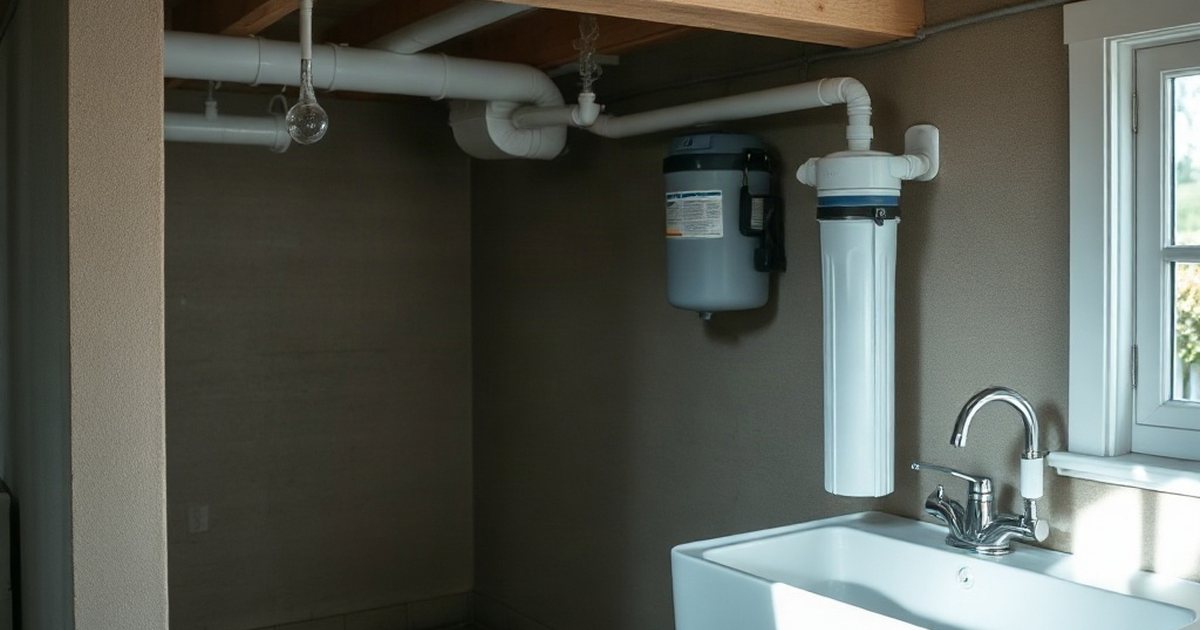
Point‑of‑use devices such as activated‑carbon filters, reverse‑osmosis units, and UV disinfection systems can be purchased for $150‑$1,200 and installed by a handy homeowner with basic plumbing skills. Whole‑house systems — including iron‑manganese oxidizers, anion exchange for nitrate, or aeration for radon — typically start at $2,000 and can exceed $10,000 for complex multi‑contaminant setups.
Professional installation adds labor, permitting, and system‑design fees that often equal 30‑50 % of the equipment cost. A licensed water‑treatment contractor will also perform a post‑installation performance test and provide a maintenance schedule. For high‑risk contaminants like arsenic or radium, professional design is strongly recommended to ensure the system meets the required removal efficiency.
Budgeting for Ongoing Maintenance and Re‑Testing
All treatment equipment requires periodic media replacement, membrane cleaning, or UV lamp changes. Annual media costs range from $50 for a carbon cartridge to $300‑$600 for a mixed‑bed resin or RO membrane set. Skipping maintenance can cause breakthrough, letting contaminants re‑enter the water supply.
Plan to re‑test at least once a year after any treatment change, and more frequently if you notice taste, odor, or pressure changes. A yearly laboratory panel of $200‑$350 is a realistic line item in a long‑term well‑water budget. Keeping a log of test results, maintenance dates, and expenses helps you spot trends early and avoid costly emergency repairs.

FAQ
How do I decide which contaminants to test for?
Start with the contaminants most common in your region — bacteria, nitrate, arsenic, and radon — and add any specific concerns such as nearby farming or industrial activity [4]. A state health department or extension service can provide a localized priority list.
Are DIY test kits accurate enough for making treatment decisions?
DIY kits give a useful first indication, but their precision and detection limits vary. Any positive result should be confirmed by an accredited laboratory before you purchase or install a treatment system.
What is the typical cost difference between a DIY point‑of‑use filter and a professionally installed whole‑house system?
A DIY under‑sink carbon or RO unit costs $150‑$1,200 plus your time, while a whole‑house system designed for multiple contaminants typically runs $2,000‑$10,000 installed, including labor and permitting.
How often should I re‑test my well water after installing treatment?
At minimum, test annually for the contaminants the system targets. If you experience changes in taste, odor, pressure, or if a nearby land‑use change occurs, test sooner.
This guide provides general cost ranges and practical steps; it does not replace a site‑specific assessment by a licensed water‑quality professional. If test results exceed health‑based standards or you are unsure about system sizing, contact a certified well‑water contractor or your state health department for guidance.
References
- Certification of Laboratories that Analyze Drinking Water Samples. U.S. Environmental Protection Agency
- Protect Your Home's Water. U.S. Environmental Protection Agency
- Basic Information about Lead in Drinking Water. U.S. Environmental Protection Agency
- Nitrogen and Water. U.S. Geological Survey
These statements have not been evaluated by the Food and Drug Administration. This information is not intended to diagnose, treat, cure, or prevent any disease. Content is for informational purposes only and is not medical advice; consult a qualified healthcare provider before starting any supplement. As an Amazon Associate we earn from qualifying purchases.
