Affiliate disclosure: As an Amazon Associate, wellwateractionplan.com earns from qualifying purchases. When you click links on this site and make a purchase, we may earn a commission at no additional cost to you. Read our full affiliate disclosure.
Private wells supply drinking water to millions of households, but they lack the continuous oversight that municipal systems provide. A proactive, long‑term prevention plan helps you catch problems early and avoid costly emergencies.
Research shows that waterborne pathogens contribute significantly to the global disease burden, underscoring why consistent testing and maintenance matter for every well owner [1].
- Test at least once a year and after any major weather event.
- Seal and protect the wellhead; maintain proper setbacks from pollutant sources.
- Service treatment devices on schedule and use NSF/ANSI‑certified equipment.
- Keep detailed records of tests, maintenance, and any corrective actions.
- Engage a licensed professional for persistent or complex contamination problems.
Understand Your Well Construction and Setting
Well depth, casing type, and the surrounding geology directly influence contamination risk. Shallow dug or driven wells are more vulnerable to surface runoff, while deeper drilled wells with sealed casings generally provide better protection [2].
Walk the property and note the wellhead location relative to septic systems, livestock areas, chemical storage, and drainage pathways. Maintaining a minimum 50‑foot setback from potential pollutant sources is a widely recommended practice, though local codes may require greater distances.
Establish a Regular Testing Schedule
At a minimum, test annually for total coliform bacteria, nitrates, and any contaminants of local concern (e.g., arsenic, radon, volatile organic compounds). Seasonal testing after heavy rain or flooding can reveal short‑term spikes that an annual sample would miss.
Keep a log of every test date, laboratory name, results, and any actions taken. Consistent records make it easier to spot trends, satisfy lenders or insurers, and demonstrate due diligence if a problem arises.
Protect the Wellhead and Immediate Surroundings
Install a sanitary well cap with a screened vent to keep insects, debris, and small animals out. Ensure the cap is securely bolted and the vent screen is intact after any service visit.

Grade the ground so surface water flows away from the wellhead. A concrete apron extending at least 3 feet around the casing helps prevent ponding. Avoid storing fertilizers, pesticides, or fuel within the protective radius.
Maintain Treatment Equipment Properly
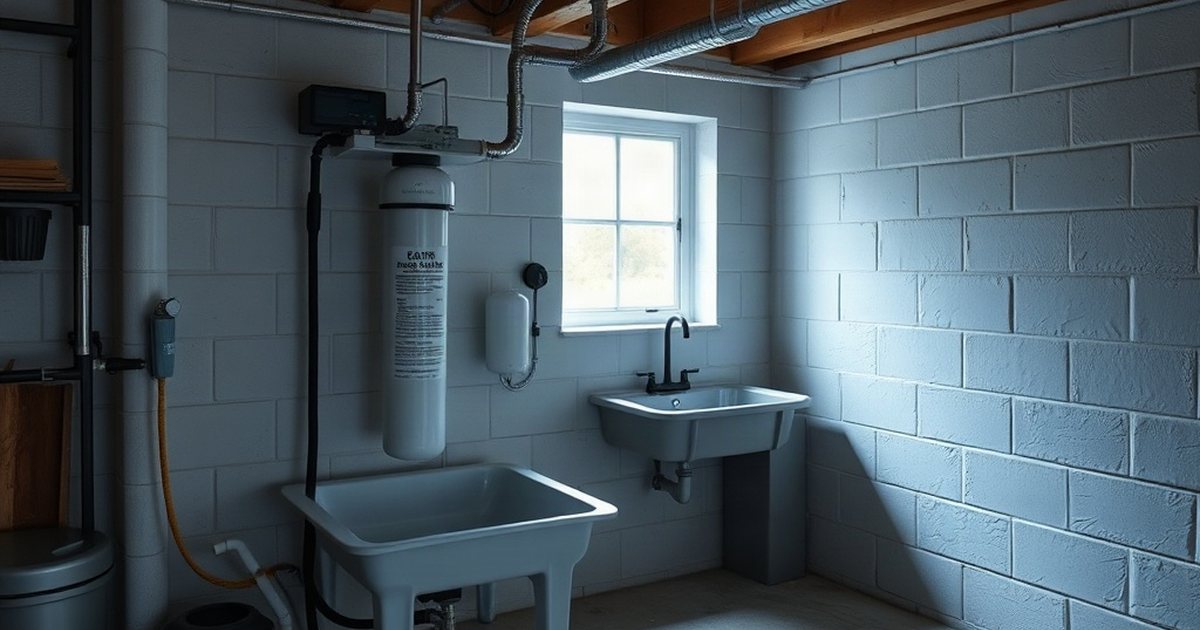
If you use filtration, UV disinfection, a water softener, or a reverse‑osmosis unit, follow the manufacturer’s service intervals for filter changes, lamp replacement, and resin regeneration. Deferred maintenance can reduce effectiveness and even introduce new contaminants.
Choose equipment certified to NSF/ANSI standards relevant to the contaminants you target (e.g., NSF/ANSI 53 for health‑related contaminants, NSF/ANSI 55 for UV). Certification provides third‑party verification that the device meets performance claims.
Develop an Emergency Response Plan
Identify an alternative safe water source (bottled water, a neighbor’s tested well, or a municipal fill station) and keep a minimum 3‑day supply on hand. Know how to shut off the well pump quickly if a contamination event is suspected.
Post the contact information for your state’s well‑water program, a certified water‑testing laboratory, and a licensed well‑driller or water‑treatment professional in a visible location near the wellhead.

Know When to Call a Licensed Professional
Complex issues — such as persistent bacterial hits despite proper disinfection, elevated arsenic or uranium, or evidence of casing failure — require a licensed well contractor or certified water‑treatment specialist. They can perform camera inspections, conduct pump tests, and design treatment trains that meet local regulations.
Professional assessment is also advisable when planning major changes (new well, deepening, or adding a treatment system) to ensure the work complies with state well‑construction codes and does not inadvertently increase contamination risk.
FAQ
How often should I test my private well for bacteria?
Annual testing for total coliform and E. coli is the baseline; test again after flooding, heavy rain, or any noticeable change in taste, odor, or color.
Can well depth alone guarantee safe water?
Deeper wells with proper casing reduce risk, but depth alone does not eliminate contamination; construction quality and surface protection are equally important [2].
What should I do if my water tests positive for coliform bacteria?
Disinfect the well following state guidelines, retest after 24‑48 hours, and if the result remains positive, contact a licensed well professional to inspect the casing and assess the need for a permanent treatment system.
This article provides general guidance; it does not replace professional water testing, system design, or medical advice. If you suspect a serious contamination issue or experience health symptoms, contact a certified laboratory and a licensed well‑water professional immediately.
References
- Global burden of 292 causes of death in 204 countries and territories and 660 subnational locations, 1990-2023: a systematic analysis for the Global Burden of Disease Study 2023. Lancet (London, England), 2025
- Depth and Well Type Related to Groundwater Microbiological Contamination. International journal of environmental research and public health, 2016
These statements have not been evaluated by the Food and Drug Administration. This information is not intended to diagnose, treat, cure, or prevent any disease. Content is for informational purposes only and is not medical advice; consult a qualified healthcare provider before starting any supplement. As an Amazon Associate we earn from qualifying purchases.
