Affiliate disclosure: As an Amazon Associate, wellwateractionplan.com earns from qualifying purchases. When you click links on this site and make a purchase, we may earn a commission at no additional cost to you. Read our full affiliate disclosure.
Private well owners often face a confusing array of service providers when water quality issues arise. Knowing what to look for in a contractor can save time, money, and protect your household’s health.
This guide walks you through the key criteria — licensing, testing methods, treatment knowledge, contract terms, and reference checks — so you can make an informed decision without relying on marketing claims.
- Gather well details and suspected contaminants before contacting contractors.
- Verify state licensing, relevant certifications, and insurance coverage.
- Ensure sampling follows recognized protocols and uses an accredited laboratory.
- Match treatment technology to the specific contaminant and request full cost projections.
- Obtain written contracts with clear warranties and confirm follow‑up testing and service options.
Understand Your Well’s Specific Needs
Before contacting any contractor, gather basic information about your well: depth, construction type (drilled, driven, dug), age, and any known water quality problems such as odor, staining, or previous test results. This background helps a professional tailor the testing plan and avoid unnecessary analyses.
Identify the contaminants you suspect or that are common in your region — bacteria, nitrate, arsenic, iron, manganese, volatile organic compounds, or radionuclides. A targeted testing list reduces cost and ensures the lab focuses on the most relevant parameters.
Document any recent changes near the well, such as new construction, agricultural activity, or septic system repairs. These details give the contractor context for potential contamination pathways and influence the sampling strategy.
Verify Licensing, Certifications, and Insurance
Most states require well drillers and water treatment installers to hold a specific license. Ask for the license number and confirm it with your state’s licensing board. A valid license indicates the contractor has met minimum training and experience standards.
Look for additional certifications from recognized organizations such as the National Ground Water Association (NGWA) or the Water Quality Association (WQA). Certifications like NGWA Certified Well Driller or WQA Certified Water Specialist demonstrate specialized knowledge in well systems and treatment technologies.
Confirm the contractor carries general liability insurance and workers’ compensation coverage. Request a certificate of insurance naming you as an additional insured; this protects you if property damage or injury occurs during the work.
Ask About Testing Protocols and Laboratory Accreditation
A reputable contractor should explain the sampling procedure: how many samples, where they are taken (well head, pressure tank, point of use), and whether they follow EPA or state‑recommended methods. Proper sampling avoids false negatives or positives.

Inquire which laboratory will analyze the samples. The lab should hold accreditation under the EPA’s National Environmental Laboratory Accreditation Program (NELAP) or an equivalent state program. Accredited labs follow strict quality‑control procedures and provide defensible data [1].
Request a copy of the lab’s chain‑of‑custody form and the final report format. A clear, detailed report with method detection limits, units, and regulatory comparison values lets you understand the results and decide on next steps.
Evaluate Treatment Options and Equipment Knowledge
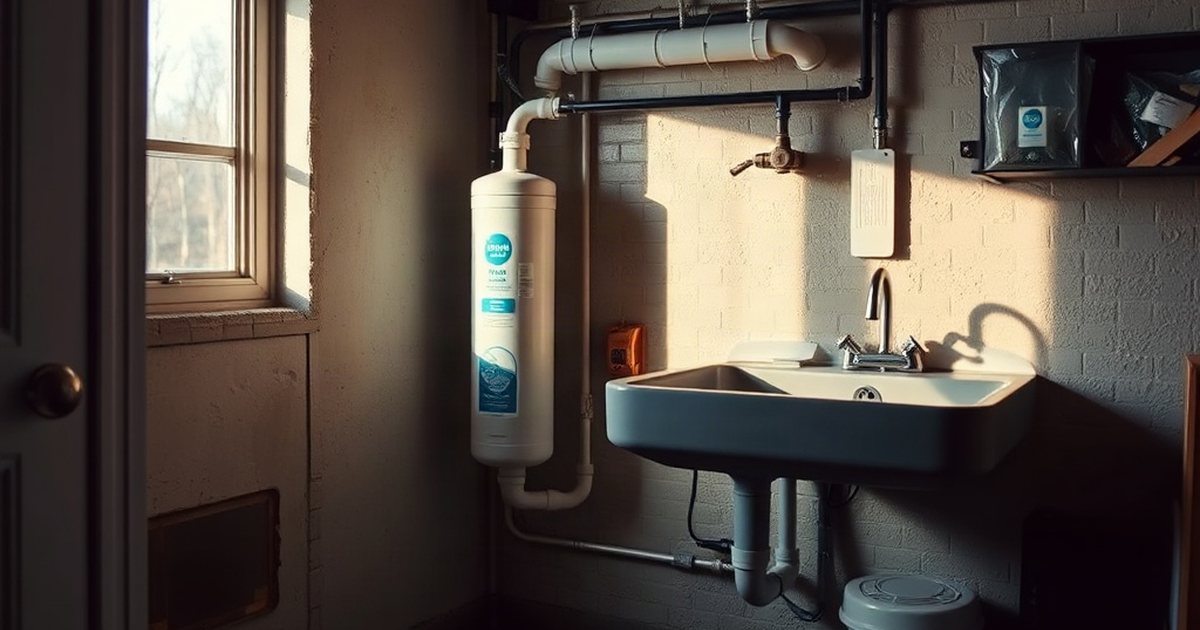
Discuss the range of treatment technologies the contractor is familiar with — such as UV disinfection, chlorination, oxidation‑filtration for iron/manganese, reverse osmosis, activated carbon, or ion exchange. A knowledgeable provider can match the technology to the specific contaminant and water chemistry.
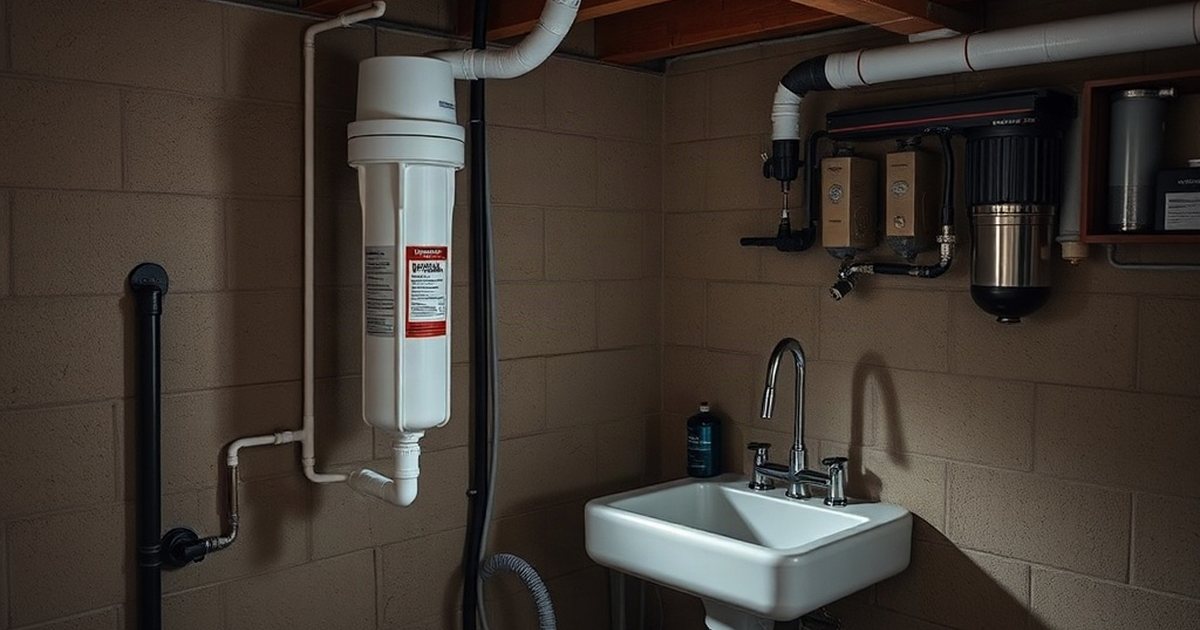
Ask whether the contractor sells, installs, and services equipment from multiple manufacturers. Independence from a single brand reduces the risk of being steered toward a product that may not be the best fit for your situation.
Confirm that the contractor can provide sizing calculations, maintenance schedules, and estimated operating costs (media replacement, electricity, chemical consumption). Transparent cost projections help you budget for long‑term ownership.
Review Contract Details, Warranties, and Follow‑Up Service
Obtain a written contract that outlines the scope of work, timeline, payment schedule, and any contingencies (e.g., additional testing if initial results are inconclusive). Clear terms prevent disputes and ensure both parties understand expectations.
Check the warranty coverage for both equipment and workmanship. Typical warranties range from one to five years for equipment and one year for installation labor. Understand what voids the warranty, such as improper maintenance or unauthorized modifications.
Ask about post‑installation support: will the contractor perform a follow‑up water test after a specified period? Do they offer a service contract for routine media changes, UV lamp replacement, or system inspections? Ongoing support is essential for sustained water quality.
Get Multiple Quotes and Check References
Request at least three detailed quotes from different contractors. Compare not only the bottom‑line price but also the inclusiveness of testing, equipment, permits, and follow‑up services. The lowest bid may omit critical steps that later increase cost.

Ask each contractor for at least three recent references from well owners with similar issues. Contact those references to learn about timeliness, communication, workmanship, and whether the water quality problem was resolved to their satisfaction.
Consider the contractor’s responsiveness during the quoting process. Prompt, clear answers to your questions often reflect the level of service you can expect during the project.
FAQ
Do I need a licensed contractor for every well water issue?
Many states require a licensed well driller or water treatment installer for any work that modifies the well structure or installs treatment equipment. Simple water sampling can sometimes be done by the homeowner, but interpretation and system installation generally need a licensed professional.
How can I tell if a laboratory is properly accredited?
Ask for the laboratory’s NELAP or state accreditation number and verify it on the accrediting body’s website. Accredited labs will provide a certificate of analysis that includes method detection limits and quality‑control data.
What should I do if a contractor recommends a single brand of equipment?
Request information on alternative brands and the reasons for the recommendation. A contractor who works with multiple manufacturers can offer a more objective selection based on performance, cost, and serviceability.
How often should I retest my well after treatment is installed?
At minimum, retest within 30 days of installation to confirm the system is working, then annually for bacteria and nitrate, and every 2‑3 years for other contaminants unless local conditions or regulations dictate more frequent testing.
What red flags should I watch for when reviewing a contract?
Vague scope descriptions, missing warranty terms, no provision for follow‑up testing, and pressure to sign quickly are warning signs. A reputable contractor will provide a clear, detailed agreement and allow time for review.
This guide provides general information for homeowner decision‑making and does not replace professional assessment. Always consult a licensed well contractor or certified water specialist for site‑specific testing, design, and installation to ensure safety and regulatory compliance.
References
- Certification of Laboratories that Analyze Drinking Water Samples. U.S. Environmental Protection Agency
These statements have not been evaluated by the Food and Drug Administration. This information is not intended to diagnose, treat, cure, or prevent any disease. Content is for informational purposes only and is not medical advice; consult a qualified healthcare provider before starting any supplement. As an Amazon Associate we earn from qualifying purchases.
