Affiliate disclosure: As an Amazon Associate, wellwateractionplan.com earns from qualifying purchases. When you click links on this site and make a purchase, we may earn a commission at no additional cost to you. Read our full affiliate disclosure.
Private wells supply drinking water to millions of households, but the quality of that water can vary widely [1]. Certain people — especially children, pregnant women, older adults, and those with weakened immune systems — are more sensitive to contaminants that may be present at low levels.
Understanding who is most at risk helps homeowners prioritize testing, choose appropriate treatment, and take timely action when results show a problem. This guide outlines the groups that need extra protection and the practical steps you can take to keep your well water safe.
- Children, pregnant women, older adults, and immunocompromised people absorb more contaminants per body weight and have less capacity to detoxify them.
- Test your well at least once a year for bacteria and nitrate; test for metals and radionuclides every two to three years or after any disturbance.
- Choose treatment certified for the specific contaminants found; aim for levels below health‑based guidelines, not just legal limits.
- Document all test results and maintenance actions; a clear record helps you act quickly when water quality changes.
Why Vulnerability Matters for Well Water Safety
Contaminants such as bacteria, nitrate, arsenic, lead, and certain pesticides affect the body differently depending on age, health status, and developmental stage [2]. A dose that causes no noticeable effect in a healthy adult can impair growth, cognitive development, or fetal health in a more susceptible person.
Regulatory limits for public water systems are set to protect the general population, but private wells are not subject to the same mandatory monitoring. Homeowners must decide how often to test and what treatment to install, making awareness of vulnerable occupants a key factor in those decisions.
When a household includes any high‑risk individuals, a more conservative approach — testing more frequently and treating to lower contaminant levels than the regulatory maximum — reduces the chance of chronic exposure that can accumulate over years.
Children: Developing Bodies and Higher Intake
Infants and young children drink more water per pound of body weight than adults, so any contaminant present in the water represents a larger dose relative to their size. Their organs, nervous system, and immune defenses are still maturing, making them especially sensitive to neurotoxic metals like lead and arsenic.
Nitrate is a particular concern for infants under six months because it can interfere with the blood’s ability to carry oxygen, a condition known as methemoglobinemia or “blue baby syndrome.” Even low‑level nitrate that meets the federal standard can be risky if a baby is fed formula mixed with well water [3].
Behavioral factors also increase exposure: children often play in or near the wellhead, may ingest soil or water during play, and are less likely to practice consistent hand‑washing. Protecting children starts with testing for nitrate, bacteria, lead, and arsenic at least once a year, and more often if the well is shallow or near agricultural activity [4].

Pregnant Women: Protecting Two Lives
During pregnancy, the placenta transfers nutrients — and contaminants — from mother to fetus. Certain chemicals, such as arsenic, methylmercury, and some pesticides, have been linked to reduced birth weight, preterm delivery, and neurodevelopmental deficits when exposure occurs in utero.
Lead exposure is especially dangerous because it crosses the placental barrier easily and can affect fetal brain development even at blood lead levels well below the current action level for children. Pregnant women who consume well water should have the water tested for lead, arsenic, and nitrate early in pregnancy and again if any changes in taste, odor, or color appear.
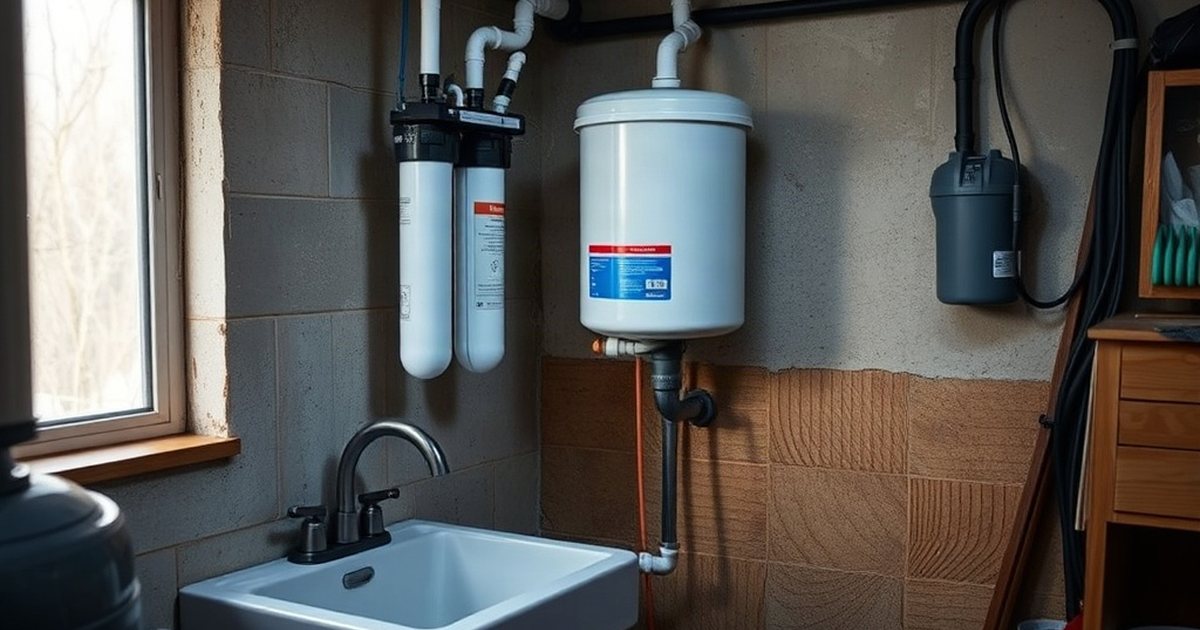
Because the fetus cannot metabolize or excrete many toxins, the safest strategy is to treat the water to levels well under the regulatory limits, using certified point‑of‑use filters or whole‑house systems that are validated for the specific contaminants of concern.
Older Adults and Immunocompromised Individuals
Aging reduces kidney function, alters immune response, and often involves multiple medications that can interact with waterborne chemicals. Chronic low‑level exposure to arsenic or uranium, for example, may exacerbate cardiovascular disease or kidney impairment common in older adults.
People undergoing chemotherapy, living with HIV/AIDS, or taking immunosuppressive drugs have a diminished ability to fight off waterborne pathogens such as E. coli, Cryptosporidium, or Giardia. Even a brief bacterial spike that a healthy person would clear quickly can cause severe gastrointestinal illness in these groups.
For these households, annual microbiological testing (total coliform and E. coli) is essential, and a UV disinfection or chlorination system should be considered if the well has a history of bacterial hits. Chemical testing for arsenic, uranium, and fluoride should follow the same schedule as for children and pregnant women.
Practical Steps: Testing, Treatment, and Ongoing Management
Start with a comprehensive baseline test that includes bacteria, nitrate, lead, arsenic, uranium, fluoride, and any locally relevant pesticides or industrial chemicals. Use a state‑certified laboratory and follow the lab’s sampling instructions exactly — improper collection is the most common cause of misleading results.
Interpret results against the EPA maximum contaminant levels (MCLs). For arsenic the MCL is 0.010 mg/L (10 ppb), and that figure is a legal ceiling rather than a safety target. Alongside each MCL, EPA also publishes a non‑enforceable, purely health‑based goal called the Maximum Contaminant Level Goal (MCLG), and for arsenic the MCLG is zero, because arsenic is a known human carcinogen for which no intake has been identified as risk‑free[5].
For children, pregnant women, and immunocompromised household members that gap is the whole point: a result below the MCL is not the same as a result with no health significance. If arsenic, uranium, or nitrate is detected at all, discuss treatment options with a state‑certified laboratory or a licensed water‑treatment professional rather than waiting for a legal limit to be crossed.

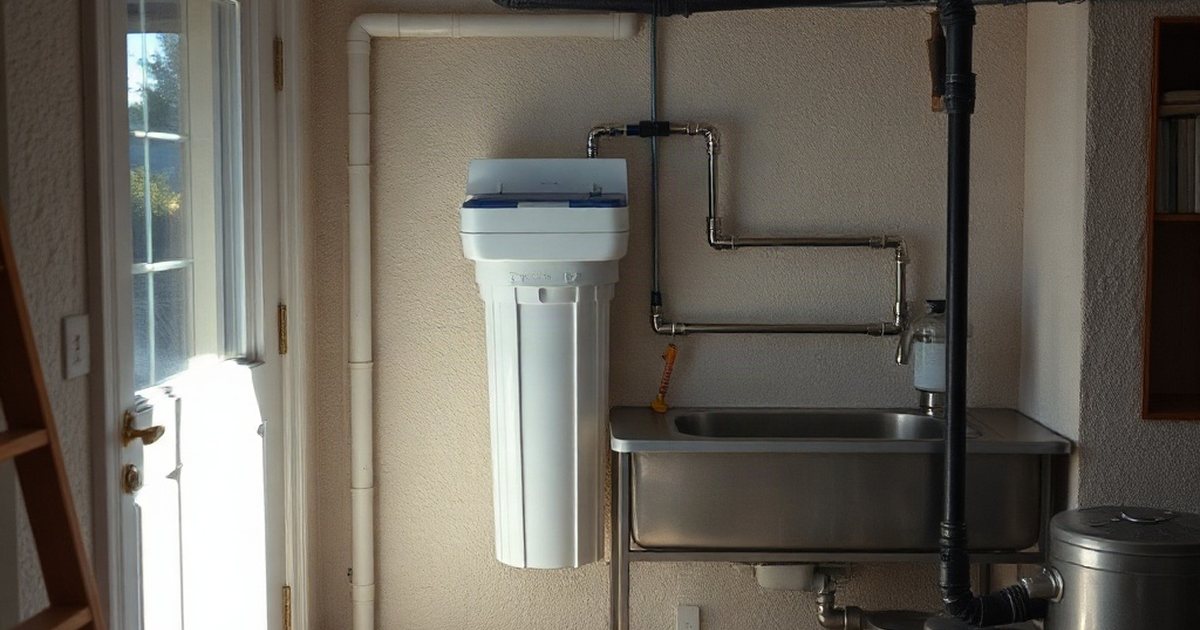
Select treatment technologies that are certified by NSF/ANSI standards for the specific contaminant: activated carbon for many organic chemicals, reverse osmosis for arsenic, nitrate, and lead, ion exchange for nitrate and uranium, and UV or chlorination for microbes. Whole‑house systems protect all taps, while point‑of‑use units at the kitchen sink are a cost‑effective option for drinking and cooking water.
Maintain a testing calendar: annually for bacteria and nitrate; every two to three years for metals and radionuclides; and after any well repair, flooding, or nearby land‑use change. Keep records of all results, treatment maintenance dates, and filter replacement schedules to demonstrate due diligence and to spot trends early.
FAQ
How often should I test my well if I have a newborn in the house?
Test for bacteria and nitrate at least quarterly during the first year, then annually thereafter. Add a full chemical panel (lead, arsenic, uranium, fluoride) before the baby starts formula made with well water.
Can a simple carbon filter protect pregnant women from all well water risks?
Carbon filters reduce many organic chemicals and improve taste, but they do not remove nitrate, arsenic, lead, or microbes. A combination of technologies — such as reverse osmosis plus UV disinfection — is needed for comprehensive protection.
What should I do if a test shows arsenic just below the EPA limit?
Even concentrations below the legal limit can pose risk over long‑term exposure, especially for vulnerable occupants. Install an NSF‑certified arsenic removal system (typically reverse osmosis or adsorptive media) and retest after installation.
Is it necessary to treat the whole house or just the kitchen tap?
If only drinking and cooking water are a concern, a point‑of‑use system at the kitchen sink is cost‑effective. Whole‑house treatment is advisable when bathing water may expose sensitive skin or when microbial contamination is present throughout the plumbing.
This information is for general guidance only and does not replace professional water testing or medical advice. If test results show contaminants above health‑based guidelines, or if household members experience unexplained illness, contact a licensed water‑treatment professional and a healthcare provider promptly.
References
- Domestic (Private) Supply Wells. U.S. Geological Survey
- Basic Information about Lead in Drinking Water. U.S. Environmental Protection Agency
- Potential Well Water Contaminants and Their Impacts. U.S. Environmental Protection Agency
- Nitrogen and Water. U.S. Geological Survey
- National Primary Drinking Water Regulations. U.S. Environmental Protection Agency
These statements have not been evaluated by the Food and Drug Administration. This information is not intended to diagnose, treat, cure, or prevent any disease. Content is for informational purposes only and is not medical advice; consult a qualified healthcare provider before starting any supplement. As an Amazon Associate we earn from qualifying purchases.
