Affiliate disclosure: As an Amazon Associate, wellwateractionplan.com earns from qualifying purchases. When you click links on this site and make a purchase, we may earn a commission at no additional cost to you. Read our full affiliate disclosure.
Private wells give homeowners control over their water supply, but they also place the responsibility for safety squarely on the owner. Knowing when a situation exceeds the reach of a home test kit or a simple filter can prevent costly health risks and property damage.
This guide outlines clear, practical indicators that signal the need for professional private well water testing and treatment remediation, explains the limits of do‑it‑yourself approaches, and helps you understand what a qualified specialist will do during an assessment.
- Persistent taste, odor, color changes or unexplained health symptoms warrant professional testing.
- DIY kits cannot detect many regulated contaminants at health‑relevant levels and sampling errors are common.
- Microbiological, heavy‑metal, and VOC/SOC problems typically need engineered treatment systems designed by a specialist.
- A qualified professional follows standardized sampling, interprets results against legal standards, and provides a costed remediation plan.
- Choose certified, licensed contractors with verifiable references and a transparent written proposal.
Signs Your Well May Need Professional Attention
Persistent changes in taste, odor, or color that do not improve after basic filtration are often the first clues that something more serious is occurring underground. A metallic taste, a rotten‑egg smell, or a brownish tint can indicate elevated iron, sulfur, or manganese levels, but they can also mask the presence of bacteria, nitrates, or volatile organic compounds that a simple carbon filter cannot remove. If you notice any of these changes lasting more than a few days despite routine maintenance, it is time to consider a professional evaluation.
Unexplained health symptoms among household members — such as gastrointestinal upset, skin irritation, or respiratory issues — that correlate with water use should never be ignored. While many contaminants cause no immediate symptoms, chronic exposure to substances like arsenic, lead, or certain pesticides can have long‑term health effects [1]. A professional can conduct a comprehensive suite of tests that go far beyond the limited panels available in retail kits, giving you a full picture of what is in your water.
Structural changes around the wellhead, such as cracking casing, corroded screens, or visible sediment buildup, often point to deteriorating well integrity. These physical signs can allow surface contaminants, insects, or small animals to enter the water column. A licensed well contractor can inspect the casing, grout, and screen, and determine whether repairs or a full well rehabilitation are required before any treatment system is installed.
Understanding the Limits of DIY Testing
Home test strips and portable meters are useful for quick checks of parameters like pH, hardness, chlorine, and sometimes nitrate, but they cannot detect many regulated contaminants at the low concentrations that matter for health. For example, arsenic, uranium, and certain industrial solvents require laboratory‑grade analytical methods such as inductively coupled plasma mass spectrometry or gas chromatography‑mass spectrometry. Relying solely on a strip test may give a false sense of security.
Sampling technique is another critical factor. Improper collection — using a contaminated container, drawing water from a tap that has not been flushed, or failing to preserve the sample at the correct temperature — can invalidate even a laboratory analysis. Professionals follow standardized protocols (e.g., EPA Method 200.8 for metals) that ensure the sample represents the true condition of the aquifer at the time of collection.
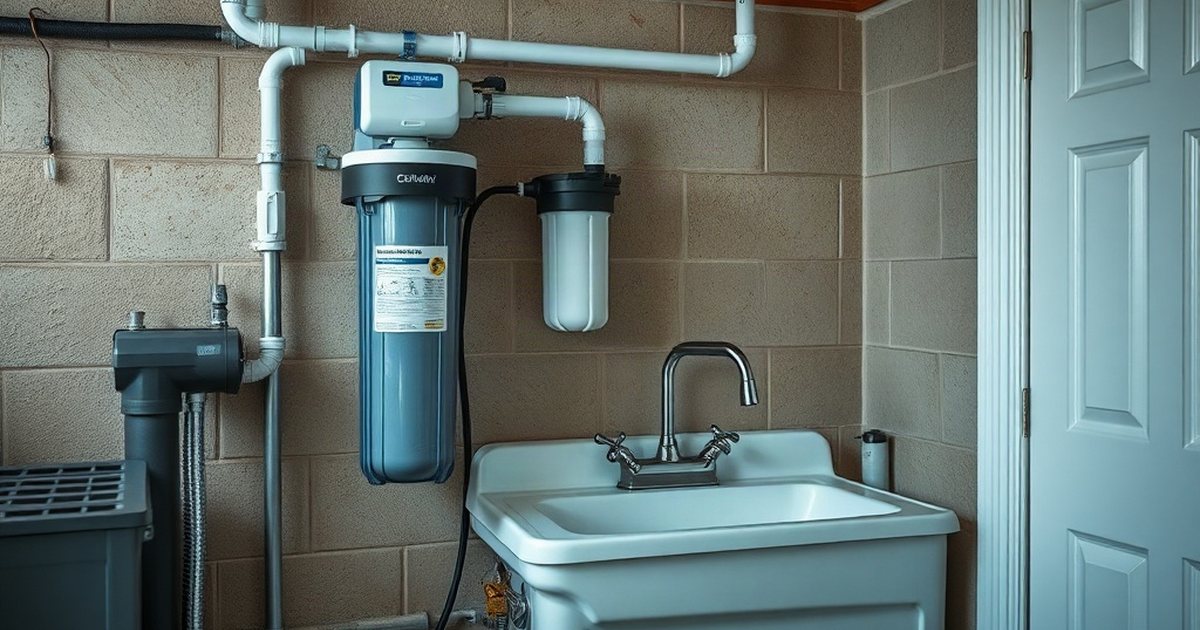

Interpreting results also demands expertise. A raw lab report lists concentrations in micrograms per liter or milligrams per liter, but understanding whether those numbers exceed the EPA Maximum Contaminant Level (MCL), a state‑specific standard, or a health‑based guideline requires context. A qualified water specialist can translate the data into actionable recommendations, prioritize the most hazardous findings, and design a treatment train that addresses multiple contaminants simultaneously.
Common Contaminants That Require Expert Remediation
Microbiological contaminants such as total coliform, E. coli, and certain viruses are a primary reason to call a professional. While shock chlorination can temporarily reduce bacterial loads, recurring positives often indicate a structural breach or a persistent biofilm that only a well rehabilitation or a continuous disinfection system (e.g., UV or ozone) can resolve. A specialist will verify the source, recommend the appropriate disinfection technology, and validate effectiveness with follow‑up testing.
Heavy metals — arsenic, lead, cadmium, and uranium — are frequently found in bedrock aquifers and cannot be removed by standard sediment filters. Treatment options include adsorption media (e.g., iron‑based arsenic media), ion exchange, or reverse osmosis, each with specific pretreatment requirements and waste‑water considerations. Selecting the wrong media or sizing the system incorrectly can lead to breakthrough, media exhaustion, or secondary contamination.
Volatile organic compounds (VOCs) and synthetic organic chemicals (SOCs) from nearby agricultural, industrial, or fuel‑storage activities often require activated carbon or advanced oxidation processes. Because these contaminants can be present at parts‑per‑billion levels, the carbon bed must be sized for the specific contaminant mix and flow rate, and breakthrough monitoring is essential. A professional can perform a pilot test, specify the correct carbon type (e.g., catalytic vs. standard), and establish a maintenance schedule.
What to Expect from a Professional Assessment
The first step is a site visit where the specialist reviews the well construction records, examines the wellhead, and evaluates the surrounding land use for potential contamination sources. They will also ask about water usage patterns, any previous test results, and any treatment equipment already in place. This information guides the selection of analytical tests and the design of a sampling plan.

During sampling, the professional will collect water from multiple points — typically the wellhead, a pressure tank, and a point‑of‑use tap — using certified containers and preservatives. They may also perform in‑field measurements of temperature, conductivity, dissolved oxygen, and redox potential to help interpret laboratory results. All samples are shipped under chain‑of‑custody to an accredited laboratory [2].
After receiving the lab report, the specialist prepares a written assessment that compares each contaminant concentration to applicable standards, identifies the most critical risks, and proposes a treatment strategy. The report usually includes a cost estimate for equipment, installation, and ongoing operation (media replacement, electricity, waste disposal). A follow‑up meeting ensures the homeowner understands the recommendations and can make an informed decision.
Choosing a Qualified Well Water Specialist
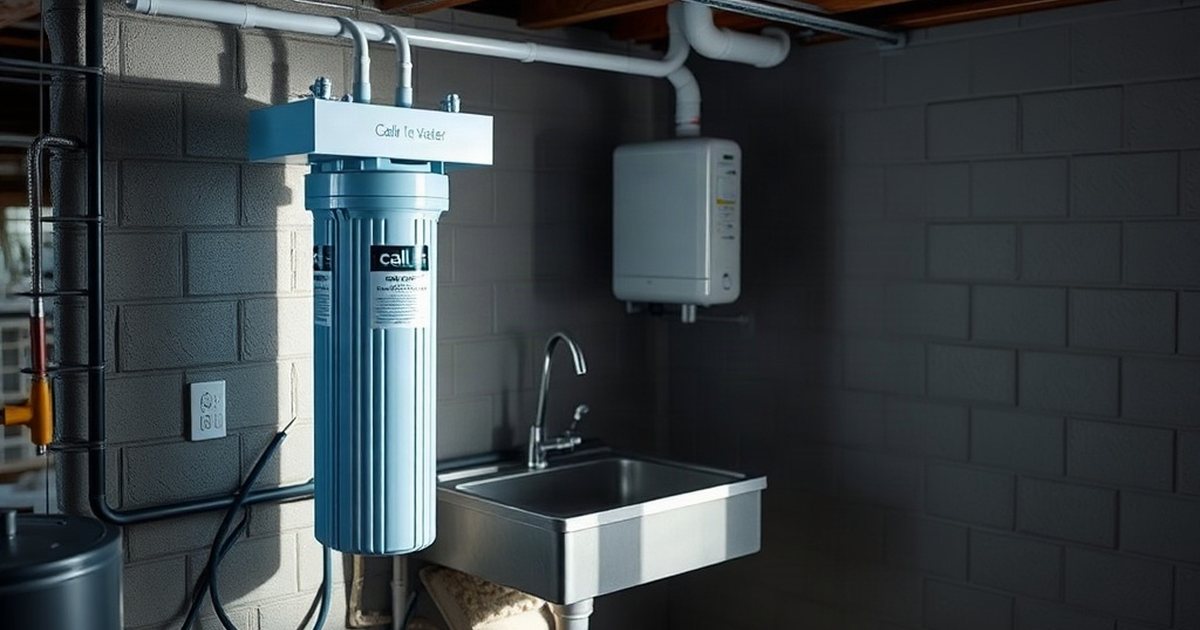
Look for professionals who hold certifications from recognized bodies such as the National Ground Water Association (NGWA) Certified Well Driller or the Water Quality Association (WQA) Certified Water Specialist. These credentials indicate training in well construction, hydrogeology, and treatment technology. Membership in state licensing boards for well contractors is also a strong indicator of compliance with local regulations.
Ask for references from recent projects that involved similar contaminant profiles. A reputable specialist will provide case studies (with client permission) showing before‑and‑after test results, the treatment system selected, and the long‑term performance data. Be wary of contractors who guarantee “complete removal” of all contaminants without a verified monitoring plan.
Obtain a detailed written proposal that breaks down laboratory fees, equipment costs, installation labor, and a schedule for periodic re‑testing. The proposal should also specify who is responsible for obtaining any required permits (e.g., for discharge of backwash water) and for maintaining records that may be needed for future property transactions. Clear communication at this stage prevents surprises later.

FAQ
How often should I have my well professionally tested?
At a minimum, schedule a comprehensive professional test annually, and additionally after any known contamination event, well repair, or change in surrounding land use [3].
Can I install a treatment system myself after a professional test?
You may install certain point‑of‑use devices (e.g., a certified reverse‑osmosis unit) yourself, but whole‑house systems that require plumbing modifications, electrical work, or waste‑water handling should be installed by a licensed contractor to ensure code compliance and proper performance.
What is the typical cost range for a professional well assessment?
A full site visit, multi‑point sampling, laboratory analysis, and a written report generally costs between $500 and $2,500, depending on the number of contaminants tested and regional labor rates.
Do I need a permit for well water treatment equipment?
Many jurisdictions require permits for discharge of backwash or brine from softeners and reverse‑osmosis units, and for any alteration to the well casing. Your specialist should identify the required permits and include them in the project scope.
How can I verify that a treatment system is working after installation?
Request a post‑installation performance test (usually 30‑90 days after startup) and establish a schedule for periodic re‑testing — typically every 6‑12 months — to confirm continued contaminant reduction.
This article provides general guidance only; it does not replace a site‑specific evaluation by a licensed well contractor or certified water specialist. If you suspect contamination, experience health symptoms, or observe well‑head damage, contact a professional for private well water testing and treatment remediation immediately.
References
- Basic Information about Lead in Drinking Water. U.S. Environmental Protection Agency
- Certification of Laboratories that Analyze Drinking Water Samples. U.S. Environmental Protection Agency
- Protect Your Home's Water. U.S. Environmental Protection Agency
These statements have not been evaluated by the Food and Drug Administration. This information is not intended to diagnose, treat, cure, or prevent any disease. Content is for informational purposes only and is not medical advice; consult a qualified healthcare provider before starting any supplement. As an Amazon Associate we earn from qualifying purchases.
