Affiliate disclosure: As an Amazon Associate, wellwateractionplan.com earns from qualifying purchases. When you click links on this site and make a purchase, we may earn a commission at no additional cost to you. Read our full affiliate disclosure.
Private wells give homeowners control over their water supply, but that control comes with responsibility for safety and quality [1]. Understanding what you’ll spend on testing, treatment, and ongoing maintenance helps you weigh those costs against the risks of untreated water.
This guide breaks down typical price ranges, outlines DIY options, explains when a licensed professional is the smarter choice, and shows how the long‑term benefits — health protection, property value, and avoided repairs — can justify the upfront expense.
- Baseline lab testing costs $150–$350 and is the essential first step.
- DIY filters and UV units can handle simple problems for under $1,000 total.
- Complex contaminants or well‑structure issues require a licensed professional.
- Clean water protects health, preserves property value, and reduces appliance wear.
- A phased, contaminant‑specific plan with a maintenance schedule keeps long‑term costs predictable.
Typical Cost Categories for Well Water Management
Testing is the first expense. A basic coliform bacteria test from a certified lab usually costs $30–$60, while a comprehensive panel (nitrate, arsenic, lead, volatile organic compounds, hardness, pH, and more) can run $150–$350. Many state health departments offer reduced‑price or free kits for first‑time well owners, so check local resources before buying.
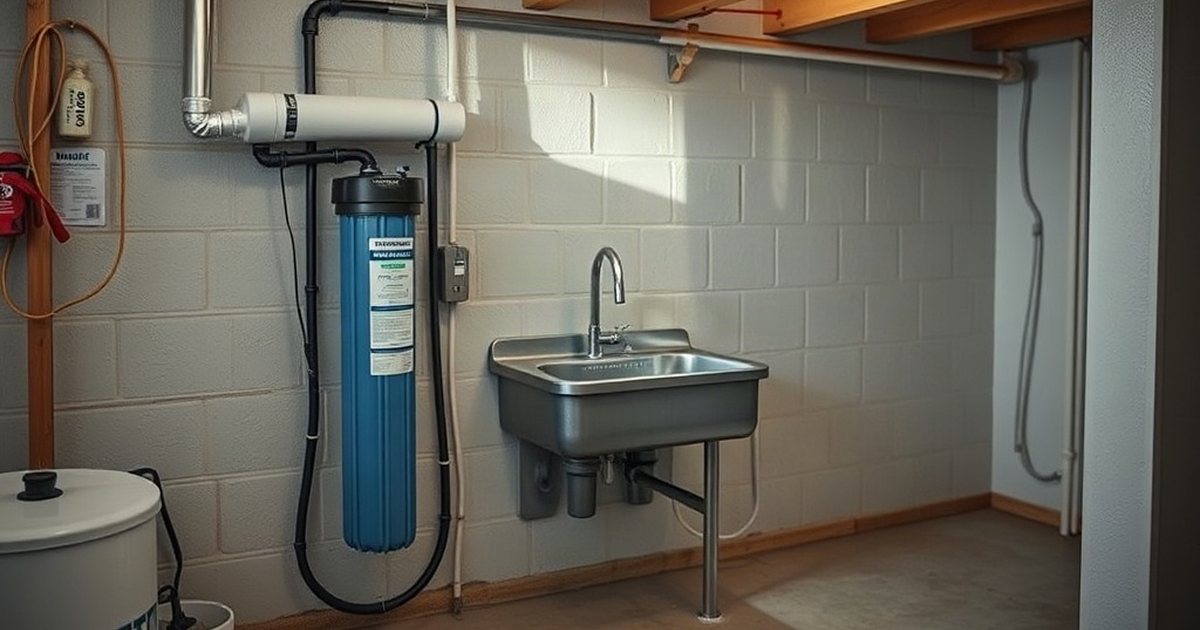
Treatment equipment varies widely. Point‑of‑use (under‑sink) carbon filters for taste and odor start around $100–$250 installed. Whole‑house systems — such as sediment filters, water softeners, UV disinfection, reverse osmosis, or specialty media for arsenic or iron — typically range from $1,000 to $5,000 plus installation. Annual media replacement or lamp changes add $100–$400 per year depending on the technology.
Ongoing maintenance includes filter cartridges, UV lamps, salt for softeners, and periodic re‑testing (often annually). Budgeting $200–$600 per year for consumables and a repeat comprehensive test every 2–3 years keeps the system performing as intended.
DIY Testing and Simple Treatment Steps
Home test kits for bacteria, nitrate, pH, and hardness are inexpensive ($15–$40) and useful for quick checks, but they are not a substitute for a certified laboratory analysis. Use them as a screening tool; if any result is near or above an EPA action level, send a proper sample to an accredited lab.
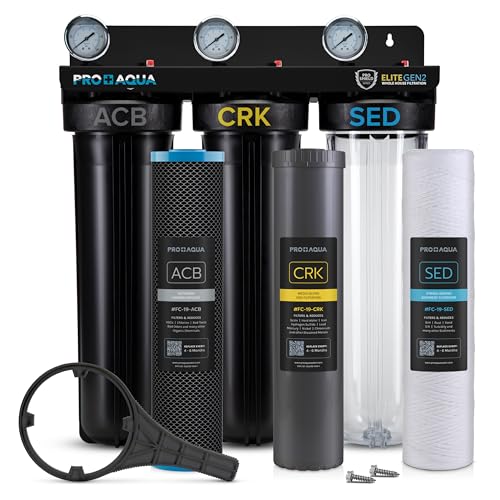
For modest issues — such as high sediment, mild iron staining, or chlorine taste — a homeowner can install a sediment pre‑filter and a carbon block filter with basic plumbing skills. These units cost $80–$200 and require cartridge changes every 6–12 months. Always follow the manufacturer’s flow‑rate and pressure specifications to avoid reduced performance.
UV disinfection units are another DIY‑friendly option for bacteria control, provided the water is clear (low turbidity) and the flow rate matches the unit’s rating. Installation involves mounting the reactor, wiring a GFCI‑protected outlet, and adding a pre‑filter. Expect $300–$800 for the hardware plus a few hours of labor.
When to Call a Licensed Professional
Complex contaminants — arsenic, uranium, radon, certain pesticides, or high‑level nitrate — often require specialized media, ion‑exchange, or reverse‑osmosis systems that must be sized precisely for your water chemistry and household demand. A certified water‑treatment professional can design a system that meets NSF/ANSI standards and local codes.
If your well has structural problems (casing cracks, poor seal, inadequate grout) or if the water table fluctuates seasonally, a licensed well driller or hydrogeologist should evaluate the source before any treatment is installed. Treating water that continues to be re‑contaminated at the source wastes money and can give a false sense of security.
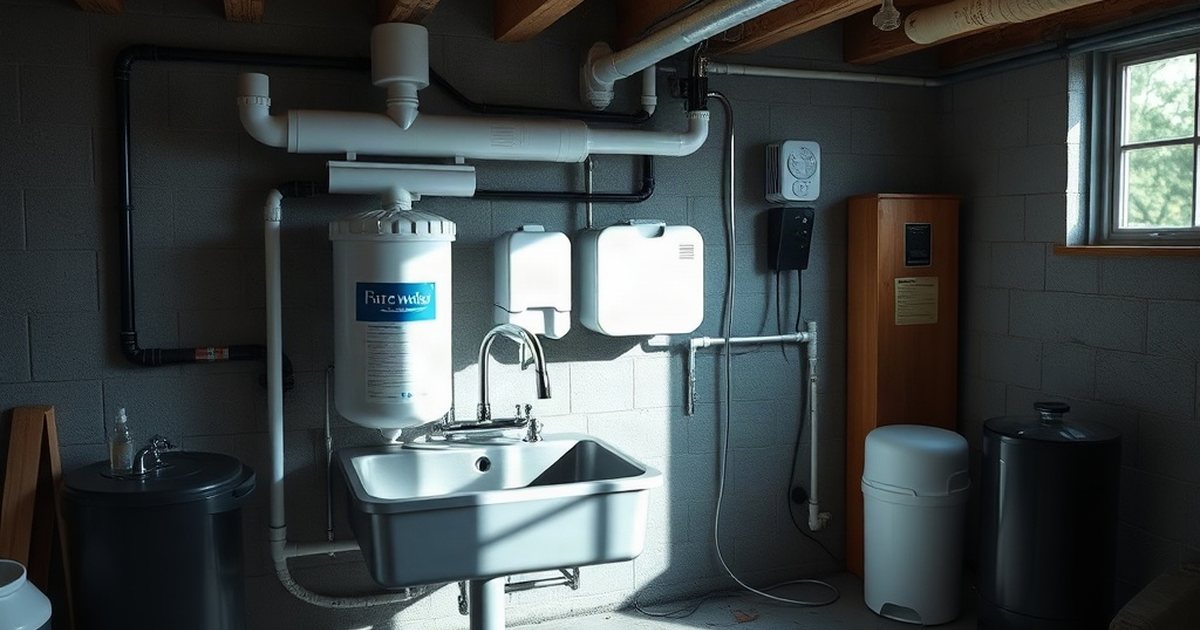
Professional installation also ensures proper backflow prevention, pressure‑tank sizing, and electrical safety for UV or ozone units. Many manufacturers void warranties if equipment is not installed by a qualified technician.
Long‑Term Financial Benefits of Clean Well Water
Health‑related costs are the hardest to quantify but often the largest. Exposure to arsenic, lead, or nitrate can lead to chronic illness, developmental effects in children, and increased medical expenses [2]. Preventing even a single serious health event can outweigh the entire treatment budget.
Property value and marketability improve with documented water quality. A recent well‑water test report and a functioning treatment system are strong selling points; buyers often request proof of safe water, and lenders may require it for mortgage approval.
Avoiding damage to plumbing and appliances saves money. Hard water scale shortens water‑heater life, corrodes fixtures, and reduces appliance efficiency. A properly sized softener or conditioner can extend equipment lifespan by 30–50 %, translating to hundreds of dollars in avoided replacements over a decade.
Building a Budget‑Friendly Action Plan
Start with a comprehensive baseline test from an accredited lab [3]. Use the results to prioritize: address any contaminant that exceeds an EPA Maximum Contaminant Level (MCL) first, then tackle aesthetic issues (taste, odor, staining) [4].

Match treatment to the specific contaminant rather than buying a “one‑size‑fits‑all” system. For example, a point‑of‑use reverse‑osmosis unit for drinking water may be sufficient for arsenic, while a whole‑house softener handles hardness. This targeted approach keeps capital and operating costs lower.
Create a maintenance calendar: schedule filter changes, UV lamp replacement, salt refill, and annual re‑testing. Set aside a small reserve (5–10 % of the initial system cost) each year for unexpected media exhaustion or minor repairs. Tracking expenses in a spreadsheet helps you see the true cost‑per‑gallon over time.
FAQ
How often should I test my well water?
At minimum, test annually for bacteria and nitrate. Conduct a full comprehensive panel every 2–3 years or after any known change in land use, flooding, or well repair.
Can I install a whole‑house reverse‑osmosis system myself?
Whole‑house RO requires significant plumbing modifications, a large storage tank, and proper waste‑water disposal. Most homeowners benefit from professional design and installation to avoid pressure loss and code violations.
What certifications should I look for on treatment equipment?
Seek products certified to NSF/ANSI standards relevant to the contaminant (e.g., NSF/ANSI 53 for lead, 58 for reverse osmosis, 55 for UV). Certification ensures the unit meets performance claims under standardized test conditions.
Does treating my well water increase my home’s resale value?
Documented safe‑water results and a functioning, certified treatment system are attractive to buyers and can simplify mortgage approval, often resulting in a higher sale price or faster closing.
This article provides general cost guidance and does not replace a site‑specific water‑quality assessment. Always use a state‑certified laboratory for definitive testing, and consult a licensed well driller or water‑treatment professional for contaminants above regulatory limits or for any structural well concerns.
References
- Domestic (Private) Supply Wells. U.S. Geological Survey
- Basic Information about Lead in Drinking Water. U.S. Environmental Protection Agency
- Certification of Laboratories that Analyze Drinking Water Samples. U.S. Environmental Protection Agency
- National Primary Drinking Water Regulations. U.S. Environmental Protection Agency
These statements have not been evaluated by the Food and Drug Administration. This information is not intended to diagnose, treat, cure, or prevent any disease. Content is for informational purposes only and is not medical advice; consult a qualified healthcare provider before starting any supplement. As an Amazon Associate we earn from qualifying purchases.
