Affiliate disclosure: As an Amazon Associate, wellwateractionplan.com earns from qualifying purchases. When you click links on this site and make a purchase, we may earn a commission at no additional cost to you. Read our full affiliate disclosure.
More than 13 million U.S. households draw drinking water from private wells, yet many owners assume their water is safe without regular checks. Contaminants can enter a well from natural geology, nearby agriculture, septic systems, or aging well components, making routine testing the only reliable way to know what is in the water.
Research from several regions shows that detectable levels of microbiological and chemical contaminants are found in a substantial share of private wells. A Maryland survey reported frequent detection of both bacteria and chemicals in sampled wells [1], and a Florida biomonitoring study confirmed that restoration efforts after identifying contamination in private supplies [2]. These findings underline that contamination is not rare and that prevalence varies by location and land use.
- Private‑well contamination is common enough that routine testing is the only reliable safeguard.
- Microbiological indicators (coliforms, E. coli) appear frequently, especially after wet weather.
- Arsenic and nitrate are the most widely documented chemical threats, with epidemiologic links to cancer and infant health effects.
- Geology, well depth, and surrounding land use (agriculture, septic systems) drive local risk levels.
- Annual bacteria testing plus a biennial full chemical panel, followed by targeted treatment, is the recommended homeowner workflow.
Overall Prevalence of Contaminants in Private Wells
National estimates of private‑well contamination are limited because there is no mandatory reporting system, but state‑level studies give a useful picture. The Maryland investigation tested 118 wells in four counties and found that 43.2% did not meet at least one federal health‑based drinking water standard for microbiological or chemical parameters [1]. Similar patterns have been reported in other states, suggesting that the problem is widespread rather than isolated.
Because private wells are not regulated under the Safe Drinking Water Act, the responsibility for testing falls entirely on the homeowner. The lack of a centralized database means that many owners never learn about a problem until a health effect appears or a neighbor’s test prompts action. Regular, certified laboratory testing remains the most practical way to capture the true prevalence for any individual well.
Microbiological Contaminants: Bacteria and Viruses
Total coliform bacteria are the most common indicator of fecal contamination in private wells. In the Maryland study, coliforms were detected in a significant portion of wells, and E. coli — a more specific marker of recent fecal input — was present in a smaller but notable fraction [1]. These organisms can cause gastrointestinal illness, especially in children, the elderly, and immunocompromised individuals.

Viruses are harder to detect routinely, but their presence often correlates with bacterial indicators. Seasonal factors such as heavy rainfall or flooding can spike microbial loads by overwhelming natural filtration in the soil. Homeowners should test for coliforms at least once a year and after any event that could compromise the well seal, such as flooding or nearby construction.
Chemical Contaminants: Arsenic, Nitrate, and Others
Arsenic occurs naturally in many bedrock formations and can leach into groundwater at concentrations above the EPA maximum contaminant level. An epidemiologic study in northern New England linked long‑term exposure to arsenic in private wells with elevated bladder cancer rates, highlighting the health relevance of this contaminant [3]. The Maryland survey also reported arsenic detections above the standard in a measurable number of wells [1].
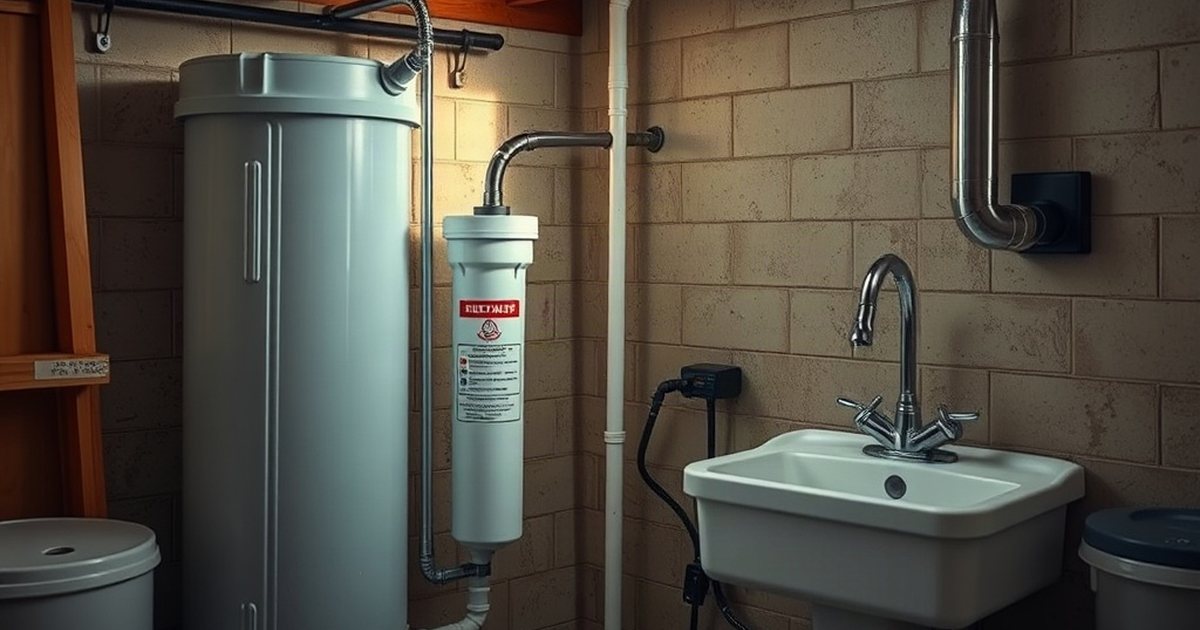
Nitrate, primarily from agricultural fertilizer and septic‑system leachate, is another frequent chemical concern. High nitrate levels pose a particular risk for infants (methemoglobinemia) and may indicate broader contamination pathways. Other chemicals such as manganese, uranium, and volatile organic compounds appear in regional studies, reinforcing the need for a broad chemical panel rather than a single‑parameter test.
Geologic and Land‑Use Risk Factors
The likelihood of contamination is strongly tied to the geology surrounding a well. Shallow wells in unconfined aquifers, areas with fractured bedrock, or soils with high permeability allow surface contaminants to reach groundwater more easily. The Maryland research did not find a statistically significant association between nearby animal feeding operations and fecal indicator bacteria in tested wells, so location alone does not show whether a well is safe and testing is still needed [1].

Land‑use patterns amplify geologic vulnerability. A retrospective chart review on Maryland’s Lower Eastern Shore found that residents using private wells had different cancer diagnosis patterns compared with those on municipal supplies, suggesting that local agricultural and wastewater practices may influence water quality [4]. An earlier case‑control study found no consistent association between breast cancer and drinking water contaminated by wastewater, although nearly all participants received water with nitrate above background levels, which illustrates how nearby waste disposal can affect well water [5].
Health‑Related Findings from Epidemiologic Studies
Population‑level studies provide the strongest evidence that private‑well contaminants can affect health. The New England bladder‑cancer analysis demonstrated a dose‑response relationship between arsenic concentration in well water and cancer risk [3]. The Lower Eastern Shore review observed associations between private‑well use and certain cancer types, though the authors cautioned that confounding factors such as smoking and occupational exposures were not fully controlled [4].
The wastewater‑contamination study found no consistent association between breast cancer and wastewater-related nitrate in public drinking water, and it did not study women served by a private well impacted by septic‑system effluent [5]. While these studies cannot prove causation on their own, the New England findings suggest that chronic arsenic exposure from private wells may contribute to long‑term health risks, while the other two studies do not settle the question. Homeowners should interpret these findings as motivation for regular testing rather than as a definitive diagnosis.
What Homeowners Can Do: Testing Frequency and Next Steps
A practical testing schedule starts with an annual coliform bacteria test, ideally after the spring thaw or any heavy rain event. Every two to three years, a comprehensive chemical panel — including arsenic, nitrate, lead, manganese, and any locally relevant contaminants — should be run by a state‑certified laboratory. Many county health departments offer low‑cost test kits or can direct owners to accredited labs.
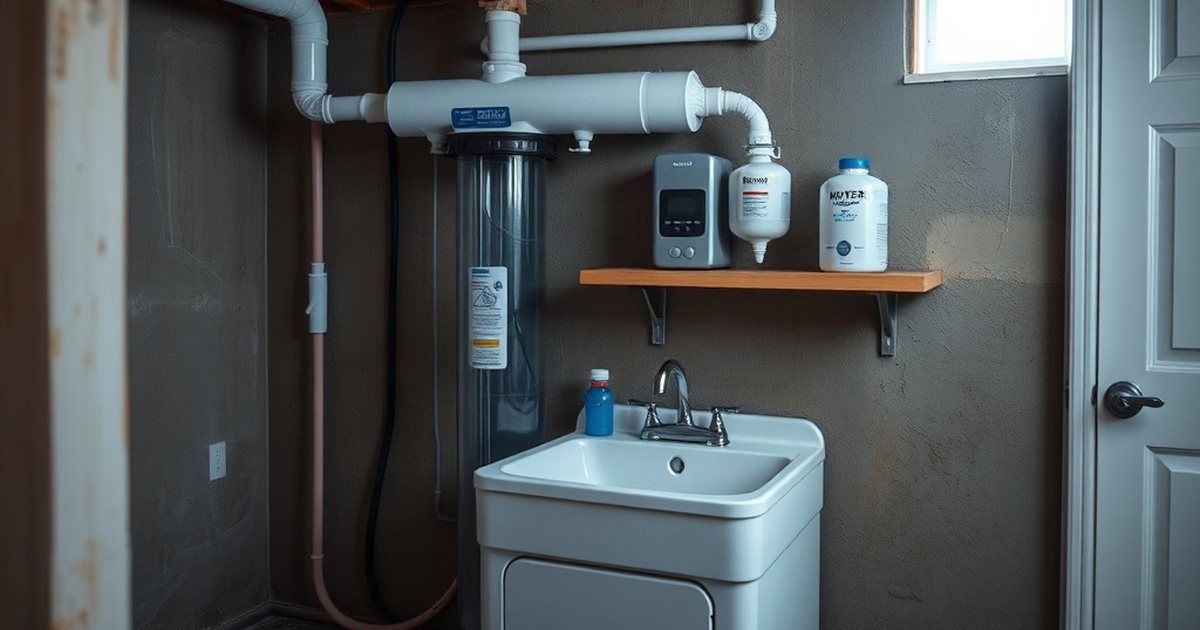
If results exceed health‑based standards, the next step is to identify the source: a compromised well seal, nearby agricultural runoff, or natural geology. Treatment options vary by contaminant; for example, point‑of‑use reverse‑osmosis units can reduce arsenic and nitrate, while ultraviolet disinfection addresses bacteria. No single device removes all contaminants, so matching the treatment technology to the specific test results is essential. Consulting a licensed water‑treatment professional ensures proper system sizing, installation, and maintenance.

FAQ
How often should I test my private well for bacteria?
Test for total coliform and E. coli at least once a year and after any flooding, heavy rain, or well‑system repair. Annual testing captures seasonal spikes that a single test could miss [1].
What chemicals are most important to include in a well‑water test panel?
At minimum, test for arsenic, nitrate, lead, manganese, and any contaminants known to occur in your region (e.g., uranium, volatile organics). The Maryland and New England studies highlight arsenic and nitrate as frequent exceedances [1][3].
Can a single treatment system remove all contaminants from my well water?
No single technology addresses every contaminant class. Reverse osmosis reduces many dissolved chemicals, while UV or chlorination targets microbes. Matching treatment to the specific test results — and having a professional size and install the system — provides the most reliable protection.
This article summarizes research findings and general guidance; it does not replace site‑specific assessment. If test results show contaminant levels above health standards, or if you experience unexplained health symptoms, contact a licensed water‑quality professional or your local health department for a thorough evaluation and remediation plan.
References
- Prevalence of Microbiological and Chemical Contaminants in Private Drinking Water Wells in Maryland, USA. International journal of environmental research and public health, 2018
- Using an environmental public health tracking biomonitoring study to validate safe water restoration efforts in Florida. Journal of public health management and practice : JPHMP, 2015
- Elevated Bladder Cancer in Northern New England: The Role of Drinking Water and Arsenic. Journal of the National Cancer Institute, 2016
- A Retrospective Chart Review Evaluating the Relationship between Cancer Diagnosis and Residential Water Source on the Lower Eastern Shore of Maryland, USA. International journal of environmental research and public health, 2020
- Breast cancer risk and drinking water contaminated by wastewater: a case control study. Environmental health : a global access science source, 2006
These statements have not been evaluated by the Food and Drug Administration. This information is not intended to diagnose, treat, cure, or prevent any disease. Content is for informational purposes only and is not medical advice; consult a qualified healthcare provider before starting any supplement. As an Amazon Associate we earn from qualifying purchases.
