Affiliate disclosure: As an Amazon Associate, wellwateractionplan.com earns from qualifying purchases. When you click links on this site and make a purchase, we may earn a commission at no additional cost to you. Read our full affiliate disclosure.
Many homeowners try to test and treat their own well water to save money, but a few common missteps can actually increase health risks or damage the system. Understanding where DIY efforts go wrong helps you protect your family and avoid costly repairs.
This guide walks through the most frequent errors — from sampling shortcuts to mismatched treatment media — and explains how to recognize when a licensed professional should step in. The advice is based on standard industry practice, not on any single study, so treat it as practical guidance rather than a guarantee.
- Collect samples exactly as the lab instructs; shortcuts produce unreliable data.
- Match each treatment component to the specific contaminant identified in a full lab report.
- Schedule and document routine maintenance for every filter, UV lamp, and softener resin.
- Use multiple test rounds before committing to expensive treatment installations.
- Check the wellhead, casing, and backflow devices for physical pathways that let contamination bypass treatment.
1. Cutting Corners on Sample Collection
Collecting a water sample seems simple, but the way you draw water determines whether the lab sees the true condition of the aquifer. Using a garden hose, letting the tap run for only a few seconds, or sampling from a faucet that has a built‑in filter can all give misleading results.
Follow the lab’s instructions exactly: flush the system for the recommended time, use a clean, sterile container, avoid touching the inside of the bottle or cap, and keep the sample cool until it reaches the lab. If you are unsure about the protocol, request a sampling kit from the laboratory or ask a certified well inspector to demonstrate the procedure.
2. Choosing Treatment Media Without Matching the Contaminant
A single treatment unit — such as a carbon filter, a water softener, or an iron removal cartridge — does not address every possible contaminant. Installing a carbon block to remove bacteria, for example, will not work and may give a false sense of security.
Before buying any equipment, review the full laboratory report and identify each contaminant that exceeds the EPA’s maximum contaminant level or your state’s guideline [1]. Then select a treatment train that targets those specific parameters: oxidation‑filtration for iron and manganese, UV disinfection for microbes, reverse osmosis for dissolved solids, and so on. Look for products certified to NSF/ANSI standards that correspond to the contaminant you need to reduce.

3. Neglecting Routine System Maintenance
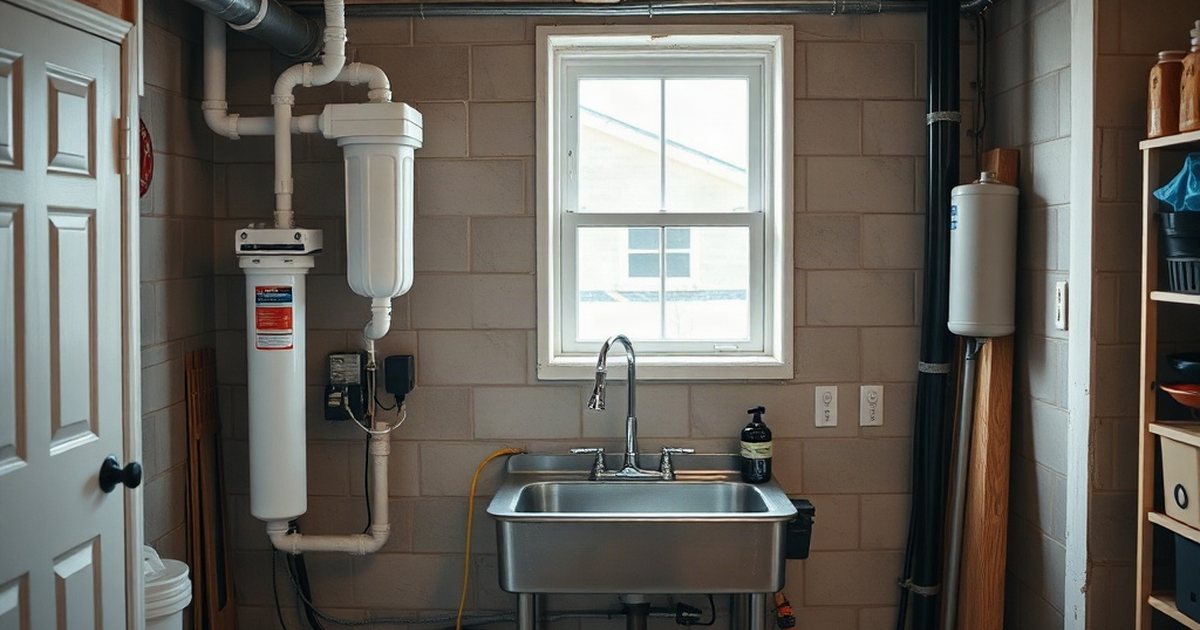
Even a correctly sized treatment system will fail if filters are not replaced, UV lamps are not cleaned, or backwash cycles are skipped. Over time, media become saturated, biofilms develop, and pressure drops, allowing untreated water to bypass the unit.
Create a maintenance calendar based on the manufacturer’s recommended service intervals and on your water usage. Typical tasks include: changing sediment pre‑filters every 3–6 months, replacing carbon media annually, cleaning or replacing UV quartz sleeves and lamps per the lamp‑life rating, and scheduling a professional inspection of the well pump and pressure tank at least once a year.
4. Misinterpreting Test Results and Over‑reacting
A single elevated reading does not always mean a chronic problem. Seasonal fluctuations, recent well work, or a temporary surface‑water intrusion can cause a spike that resolves on its own. Reacting by installing expensive treatment for a one‑time event wastes money and may introduce new issues.
Compare the latest report with at least two previous tests taken under similar conditions. If the contaminant persists across multiple rounds, then it is a genuine concern. When in doubt, ask the testing laboratory for a trend analysis or consult a hydrogeologist who can evaluate the well’s construction and surrounding land use.
5. Overlooking Cross‑Contamination Pathways
Contaminants can enter the water supply after the wellhead — through cracked casings, faulty seals, back‑siphonage from irrigation systems, or improperly vented storage tanks. Treating water at the point of use does not fix a structural breach that continues to feed the problem.

Inspect the wellhead annually for visible cracks, corrosion, or loose caps. Verify that any backflow preventers on irrigation lines are functional and that the well vent is screened and unobstructed. If you suspect a casing leak or a compromised seal, contact a licensed well driller or a certified well contractor for a camera inspection and possible repair.
FAQ
How often should I test my private well water?
At a minimum, test annually for bacteria, nitrates, and any contaminants of local concern [2]. Additional testing is warranted after any well repair, flooding, or a change in land use nearby.
Can I install a whole‑house reverse osmosis system myself?
Whole‑house RO requires proper pre‑filtration, pressure management, and a drain line that meets code. Most jurisdictions require a licensed plumber for the installation; a DIY attempt often leads to leaks, wasted water, and inadequate contaminant removal.
What certifications should I look for on treatment equipment?
Seek products certified to NSF/ANSI standards that correspond to the target contaminant: NSF/ANSI 42 for aesthetic effects, 53 for health‑related contaminants, 55 for UV microbiological treatment, 58 for reverse osmosis, and 61 for material safety.
This article provides general DIY guidance; it does not replace a site‑specific assessment by a licensed well contractor or certified water‑treatment professional. If test results show contaminants above health‑based limits, or if you suspect structural well problems, contact a qualified professional before attempting further treatment.
References
- National Primary Drinking Water Regulations. U.S. Environmental Protection Agency
- Protect Your Home's Water. U.S. Environmental Protection Agency
These statements have not been evaluated by the Food and Drug Administration. This information is not intended to diagnose, treat, cure, or prevent any disease. Content is for informational purposes only and is not medical advice; consult a qualified healthcare provider before starting any supplement. As an Amazon Associate we earn from qualifying purchases.
