Affiliate disclosure: As an Amazon Associate, wellwateractionplan.com earns from qualifying purchases. When you click links on this site and make a purchase, we may earn a commission at no additional cost to you. Read our full affiliate disclosure.
Private well owners face a unique set of water‑quality challenges because no municipal agency monitors the supply. Understanding what to test for, which treatment technologies match those contaminants, and how much each option typically costs can save time, money, and frustration.
This guide walks through the major product categories — from simple test strips to whole‑house filtration — explains the certifications that matter, and highlights the limits of DIY installation so you know when a licensed water‑treatment professional is the safer choice.
- Test first — choose treatment based on verified contaminant list, not assumptions.
- Match technology to the specific contaminant: carbon for organics, RO for dissolved ions, UV for microbes, softeners for hardness.
- Look for NSF/ANSI certifications that correspond to the contaminants you need to reduce.
- Budget for both equipment and ongoing media or lamp replacements; total cost of ownership often exceeds the purchase price.
- Engage a licensed water‑treatment professional for complex, multi‑contaminant, or regulatory situations.
Start With Reliable Testing
Before buying any treatment equipment, you need a clear picture of what’s in the water. Basic home test kits (often $15–$40) can screen for bacteria, nitrate, pH, hardness, iron, and sulfur odor. For a more complete profile — especially for arsenic, lead, uranium, volatile organic compounds, or pesticides — send a sample to a state‑certified laboratory; expect to pay $100–$300 for a comprehensive panel.
Collect samples according to the lab’s instructions: use sterile bottles, avoid flushing the tap for at least six hours, and keep the sample cool until shipment. Record the date, time, and well depth on the chain‑of‑custody form. Results typically arrive within one to two weeks and will dictate which treatment technology is appropriate.
Point‑of‑Use (POU) Filtration Options
POU devices treat water at a single tap — usually the kitchen sink — and are the most affordable entry point. Countertop or under‑sink carbon blocks (NSF/ANSI 42 certified for taste/odor, NSF/ANSI 53 for health‑related contaminants) typically cost $80–$250 and reduce chlorine, sediment, and many organic chemicals. They do not remove dissolved minerals such as hardness or heavy metals unless combined with a specialty cartridge.
Reverse‑osmosis (RO) units (NSF/ANSI 58) add a semi‑permeable membrane that can lower arsenic, fluoride, nitrate, lead, and total dissolved solids. A typical under‑sink RO system runs $200–$600 plus $50–$150 per year for membrane and filter replacements. RO wastes 2–4 gallons of water for every gallon produced, so consider a permeate pump or a high‑efficiency model if water conservation matters.
Whole‑House (Point‑of‑Entry) Treatment Systems
Whole‑house systems treat all water entering the home, protecting plumbing, appliances, and every faucet. A sediment pre‑filter (5–20 micron) costs $100–$300 and extends the life of downstream media. For hardness, a cation‑exchange water softener (NSF/ANSI 44) ranges from $800–$2,500 installed, with salt or potassium chloride regeneration costing $5–$15 per month.
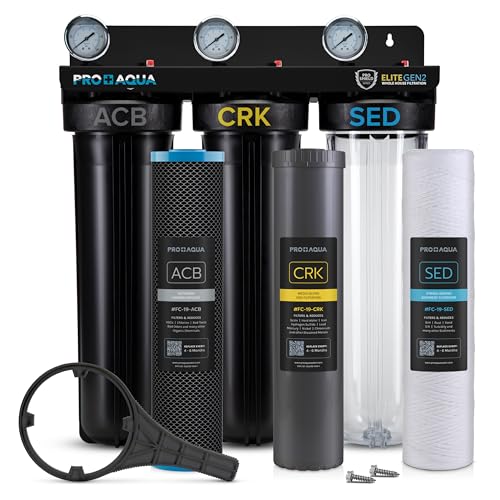
If the lab report shows iron, manganese, or hydrogen sulfide, an oxidizing filter (air‑injection or catalytic media) priced $1,200–$3,500 can convert dissolved metals to particulate form for removal by a downstream sediment filter. For microbial concerns, a UV disinfection reactor (NSF/ANSI 55) adds $600–$1,500 and requires annual lamp replacement ($80–$150) plus a pre‑filter to keep the quartz sleeve clean.
Specialty Media for Targeted Contaminants
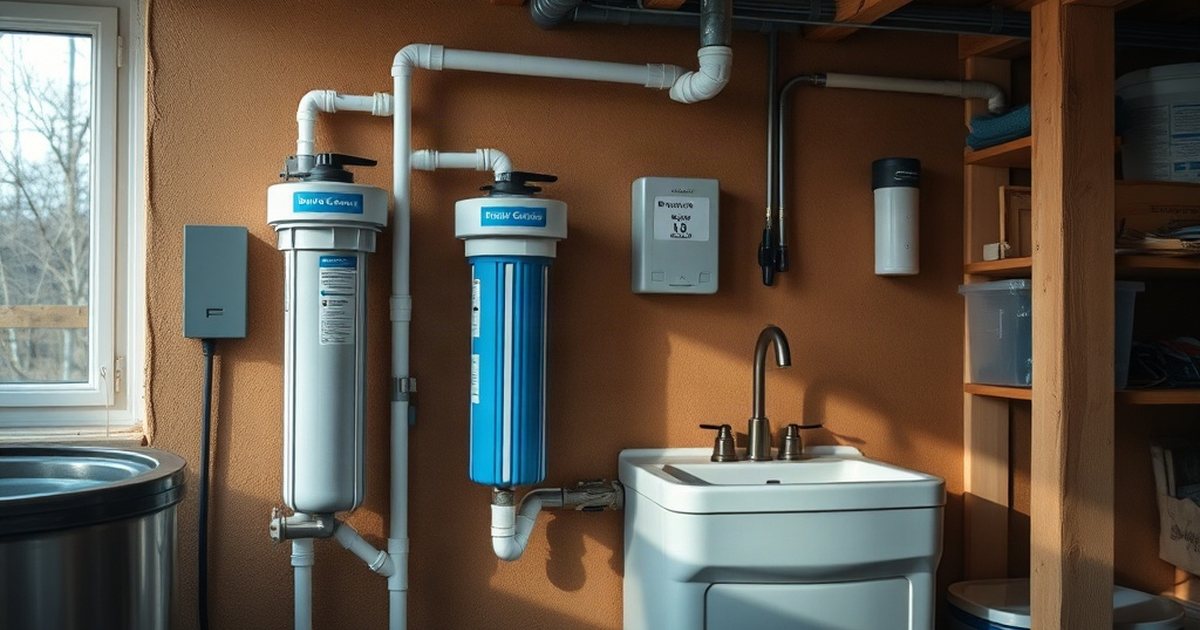
Arsenic, uranium, and certain radionuclides often need adsorption media such as activated alumina, iron‑based granular ferric hydroxide, or specialty ion‑exchange resins. These cartridges are typically sold as add‑ons to a whole‑house tank and cost $300–$1,200 depending on capacity. Look for NSF/ANSI 53 or 401 certification specific to the contaminant you need to reduce.
Volatile organic compounds (VOCs) and pesticides are best addressed with granular activated carbon (GAC) beds rated for high‑flow whole‑house use. A 10‑gpm GAC system runs $1,500–$3,000 and requires media replacement every 12–24 months, which can add $200–$500 per change. Verify the carbon is certified for the specific VOCs identified in your test results.
Installation, Maintenance, and Ongoing Costs
Many POU units are designed for DIY installation with basic plumbing tools; expect 1–2 hours for an under‑sink carbon or RO system. Whole‑house equipment usually demands a licensed plumber or water‑treatment specialist because it involves cutting into the main line, sizing the tank correctly, and ensuring proper backwash flow. Professional installation typically adds $300–$1,200 to the equipment price.
Create a maintenance calendar: replace sediment filters every 3–6 months, carbon cartridges per manufacturer schedule (often 6–12 months), RO membranes every 2–3 years, UV lamps annually, and softener resin every 10–15 years. Keep a log of filter changes, pressure readings, and any taste/odor shifts; this documentation helps troubleshoot performance drops and supports warranty claims.
When to Call a Certified Water‑Treatment Professional
If your test results show multiple contaminants at levels near or above EPA Maximum Contaminant Levels, or if you detect radon, gross alpha radiation, or complex chemical mixtures, a professional can design a multi‑barrier system that addresses each threat without creating new problems (e.g., pH shifts that leach metals) [1].

Other triggers for professional help include: wells deeper than 300 feet with variable chemistry, persistent bacterial regrowth after shock chlorination, or the need for a permit‑required treatment system (some states regulate arsenic or nitrate removal). A certified specialist can also perform a hydraulic assessment to size pumps, tanks, and backwash flows correctly.
FAQ
How often should I test my well water?
At minimum, test annually for bacteria, nitrate, and pH [2]. Test more frequently (every 3–6 months) after any known contamination event, well repair, or if you notice changes in taste, odor, or color.
Can a single whole‑house system remove all contaminants?
No single technology addresses every contaminant class. Effective treatment usually combines a sediment pre‑filter, a targeted media (carbon, softener, oxidizing filter, or adsorption resin), and a final polishing step such as UV or RO at the point of use.
Are DIY test kits accurate enough for making treatment decisions?
DIY kits are useful for screening but have higher detection limits and narrower analyte lists than certified labs [3]. Use them for routine monitoring; confirm any positive or borderline results with a laboratory analysis before investing in equipment.
What does NSF/ANSI 53 certification mean?
NSF/ANSI 53 certifies that a filter reduces specific health‑related contaminants (e.g., lead, arsenic, VOCs) under standardized test conditions [4]. Always verify the product’s performance data sheet lists the exact contaminant you need to address.
This guide provides general product‑category information only; it does not replace a site‑specific water‑quality assessment. For health‑related concerns, regulatory compliance, or complex multi‑contaminant problems, consult a state‑licensed water‑treatment professional or certified environmental laboratory.
References
- National Primary Drinking Water Regulations. U.S. Environmental Protection Agency
- Protect Your Home's Water. U.S. Environmental Protection Agency
- Certification of Laboratories that Analyze Drinking Water Samples. U.S. Environmental Protection Agency
- Basic Information about Lead in Drinking Water. U.S. Environmental Protection Agency
These statements have not been evaluated by the Food and Drug Administration. This information is not intended to diagnose, treat, cure, or prevent any disease. Content is for informational purposes only and is not medical advice; consult a qualified healthcare provider before starting any supplement. As an Amazon Associate we earn from qualifying purchases.
